
Why I Ditched Muscle Cars for These Affordable Sports Cars
These affordable used sports cars deliver muscle-car thrills with balance, feedback, and daily usability.
I still love the rumble of a big V8, but somewhere between my third traffic-light drag race and my first autocross weekend, I realized something: I didn’t need a muscle car to have fun. I needed balance, feedback, and a car that didn’t punish me every time I pulled into a gas station. So I went shopping for sports cars instead—and in 2026, the used market is full of brilliant, affordable machines that deliver muscle-car thrills without the muscle-car baggage.
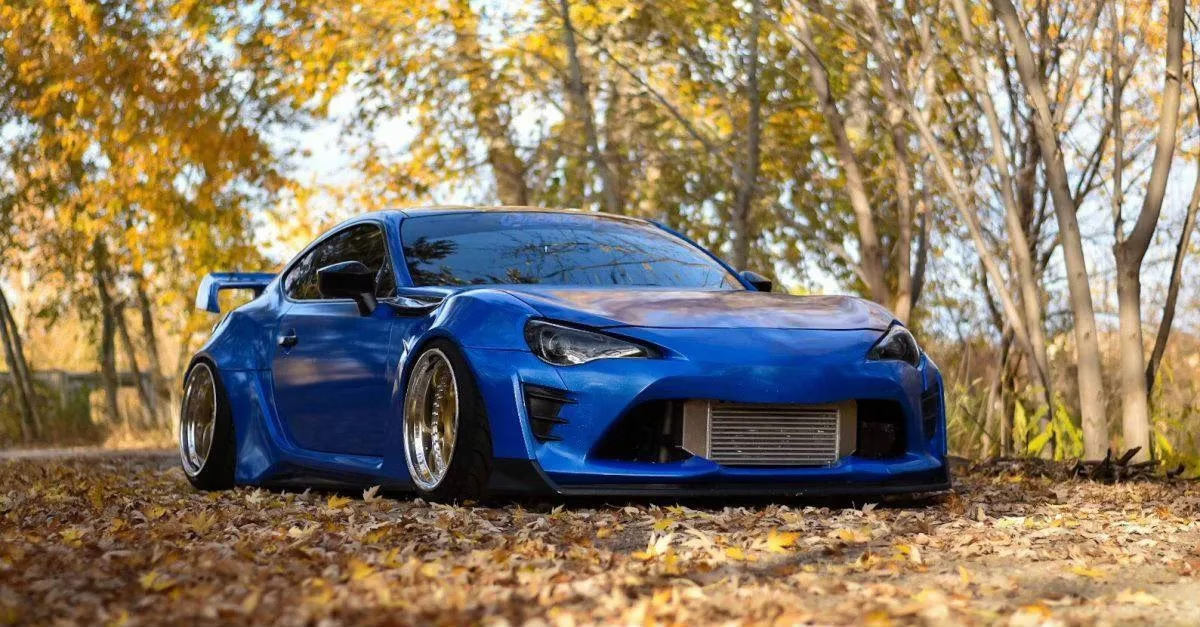
My first stop was the Subaru BRZ. On paper, a 2.0-liter flat-four doesn’t sound like a muscle-car replacement. But the BRZ is light, balanced, and shockingly roomy for a small coupe. I took one on a canyon road and understood the appeal immediately: 0 to 60 in about 6.2 seconds is quick enough, and the steering talks to you in a way that modern muscle cars often don’t. It’s also practical enough to commute in, which matters when you only have one parking spot.
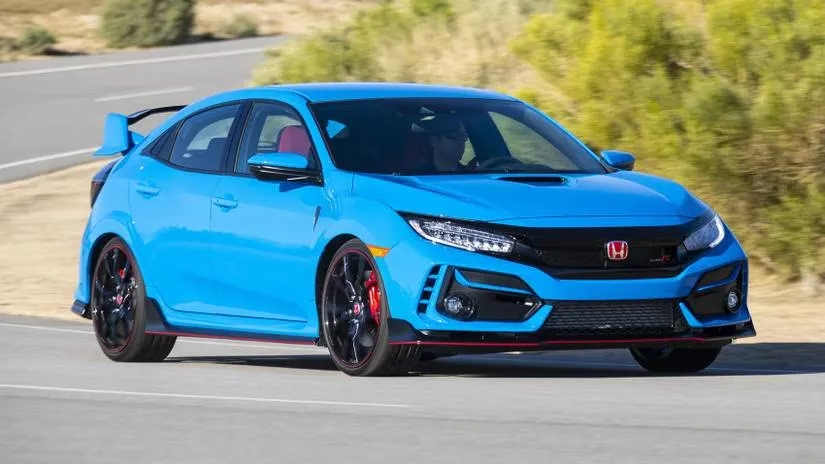
Then I drove the Honda Civic Type R, and the game changed. The 2020 model’s turbocharged four-cylinder makes 306 hp and 295 lb-ft of torque, and it puts that power down through the front wheels with surprising civility. I remember grinning like an idiot after a third-gear pull. It’s not a muscle car—it’s a scalpel with a wing. And in 2026, earlier Type Rs are finally dipping into realistic used-car money.
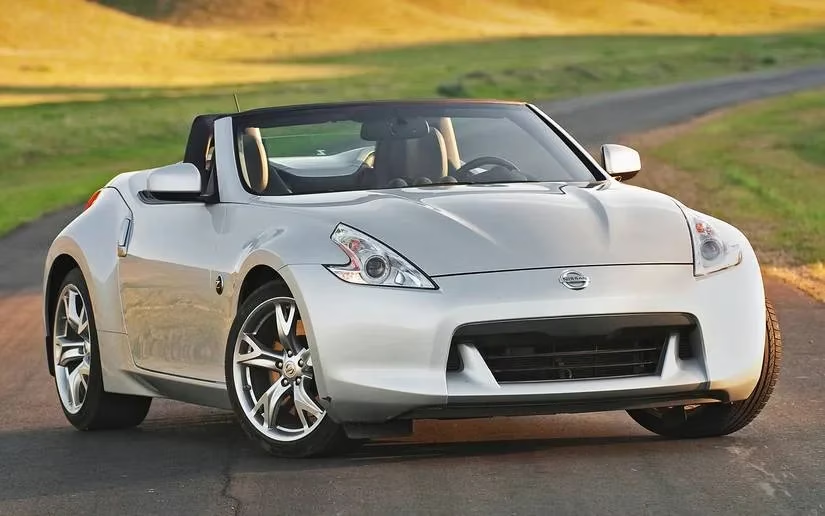
Of course, I had to try the Nissan 370Z. That 332-hp V6 feels old-school in the best way, and the rear-drive chassis will happily slide if you ask nicely. It’s heavier than a BRZ, and the infotainment feels like a time capsule, but the 370Z has a blunt, honest personality. If you want muscle-car attitude without the V8 fuel bill, this is your car. Just don’t expect the latest tech.
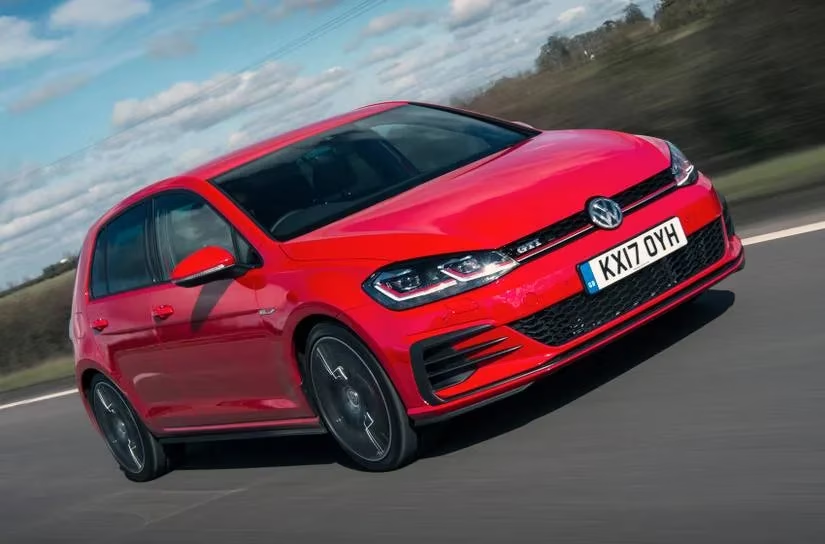
The Volkswagen Golf GTI surprised me most. It’s been around for decades—the original 1976 model was already quick and nimble—but the modern GTI still feels like a friend. LED lights, safety tech, and responsive handling make it a genuine rival to more expensive sports cars. I loaded one with groceries and then took it to a back road; it did both without complaint. That versatility is something a classic muscle car simply can’t match.
Here’s a quick snapshot of the cars that won me over:
| Car | Engine | Power | 0–60 mph | Why I’d buy it |
|---|---|---|---|---|
| Subaru BRZ | 2.0L flat-four | 205 hp | 6.2 s | Balance and surprising space |
| Honda Civic Type R | Turbo 2.0L four | 306 hp | ~5.0 s | Track-ready precision |
| Nissan 370Z | 3.7L V6 | 332 hp | ~5.3 s | Raw rear-drive attitude |
| VW Golf GTI | Turbo 2.0L four | 228 hp | ~6.0 s | Practical hot hatch |
| Hyundai Veloster N | Turbo 2.0L four | 275 hp | 5.5 s | Hatchback versatility and speed |
| Subaru WRX | Turbo 2.0L flat-four | 268 hp | 5.5 s | All-weather performance |
| Fiat 124 Spider | Turbo 1.4L four | 160 hp | ~6.5 s | Lightweight open-top fun |
| Toyota 86 | 2.0L flat-four | 205 hp | ~6.2 s | Corner-carving agility |
| Mazda MX-5 Miata | 2.0L four | 181 hp | 5.7 s | The sports-car benchmark |
| Honda Civic Si | Turbo 1.5L four | 205 hp | ~6.5 s | Value and driver assistance |
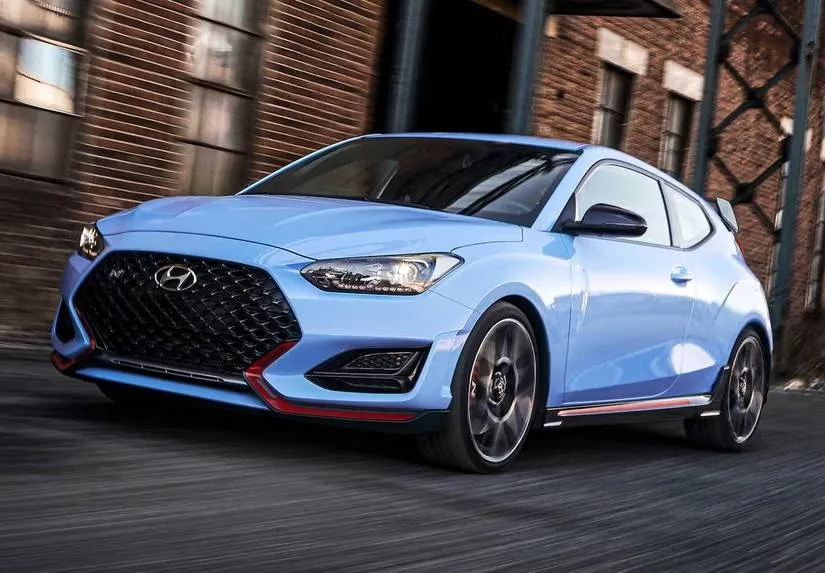
The Hyundai Veloster N is a weird little hero. With 275 hp from a 2.0-liter four, it hit 60 mph in 5.5 seconds in my test, and the hatchback body swallowed a weekend’s worth of luggage. I once fit a folding chair, a duffel bag, and a friend in the back—try that in a Camaro. It’s adaptable, fast, and genuinely fun. The asymmetric door layout still confuses people, but I love it.
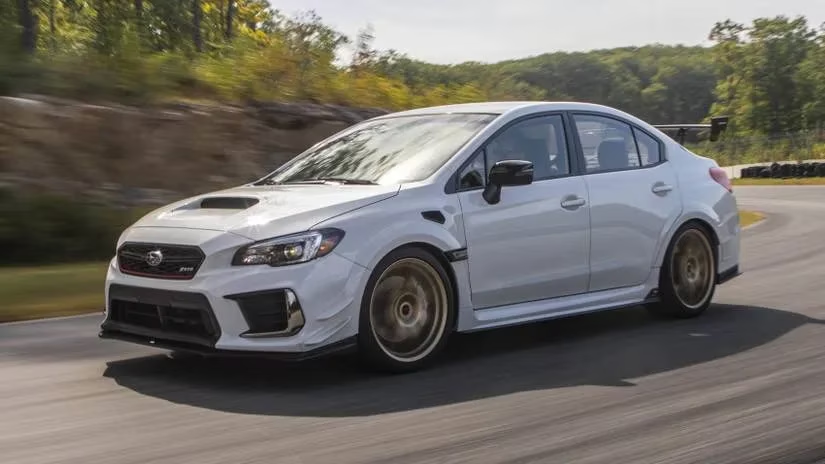
Subaru’s WRX is not quiet. The road noise is real, and the ride is firm. But the 6.5-inch touchscreen with Apple CarPlay and Android Auto makes daily driving easy, and the turbo flat-four delivers a punchy 5.5-second sprint. I drove one in the rain and finally understood why people love all-wheel drive. It’s not for everyone, but for a year-round sports car, it’s hard to beat.
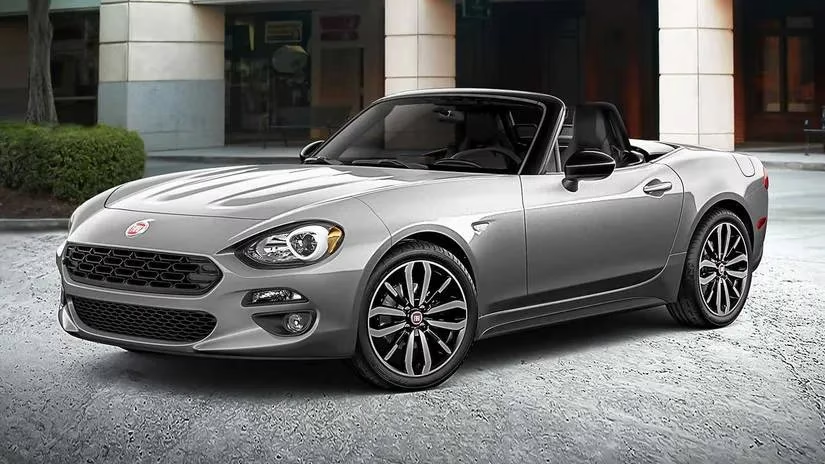
The Fiat 124 Spider is tiny. At six feet tall, I fit—but barely. Its 160-hp turbo four is not a monster, yet the car is light and playful. The 7.0-inch touchscreen and safety systems make it livable, and the open top adds a sense of speed you don’t get in a closed coupe. It’s a niche pick, but a charming one.
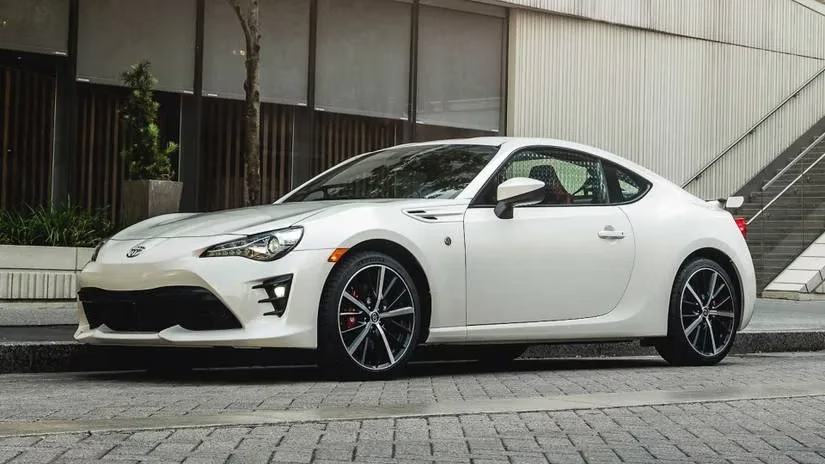
The Toyota 86 shares its bones with the BRZ, but it feels a little more raw. The 2-door fastback is incredibly agile in corners, and the rear-drive layout rewards smooth inputs. Yes, the climate controls are fiddly and the engine sounds wheezy at low revs. But I stopped caring after one perfect corner. For the money, it’s a brilliant driver’s car.
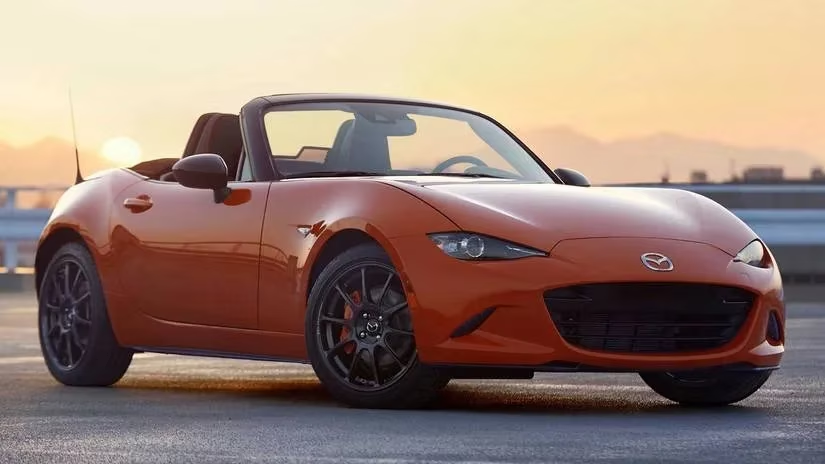
And then there’s the Mazda MX-5 Miata. Everyone compares sports cars to the Miata because the Miata is the answer. It’s not the fastest—0 to 60 takes about 5.7 seconds—but the steering, shifter, and chassis work together like a single organism. The soft top lets in noise, but that’s part of the charm. I drove one for an afternoon and spent the next week trying to justify buying it.
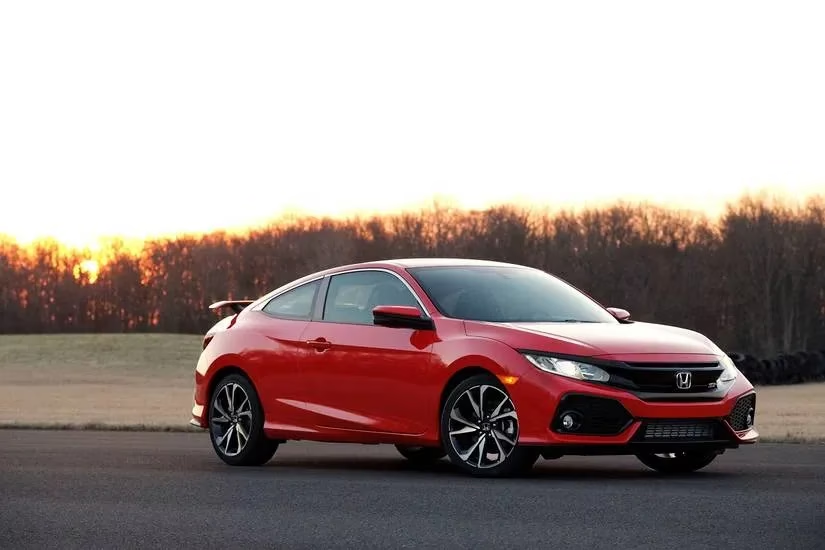
Finally, the Honda Civic Si. With 205 hp from a turbocharged four, it’s not a drag-strip hero. But it costs less than a WRX or Golf GTI, comes with driver-assistance tech, and still feels sharp. The passenger space is smaller than a standard Civic, but the performance makes up for it. I’d happily daily one.
So here’s my 2026 verdict: I don’t miss muscle cars. These sports cars offer similar performance, better fuel efficiency, and far more flexibility. They’re not just cheaper to run—they’re more fun to live with. If you’re shopping for a used performance car this year, start with this list. Your wallet, your back tires, and your daily commute will thank you. 🚗💨
Leave a Comment