
Toyota's Hydrogen Revolution: Fueling the Future Beyond EVs
Toyota's hydrogen revolution and fuel cell technology are redefining green transportation, promising a future beyond conventional EVs.
Toyota's Hydrogen Revolution: Fueling the Future Beyond EVs
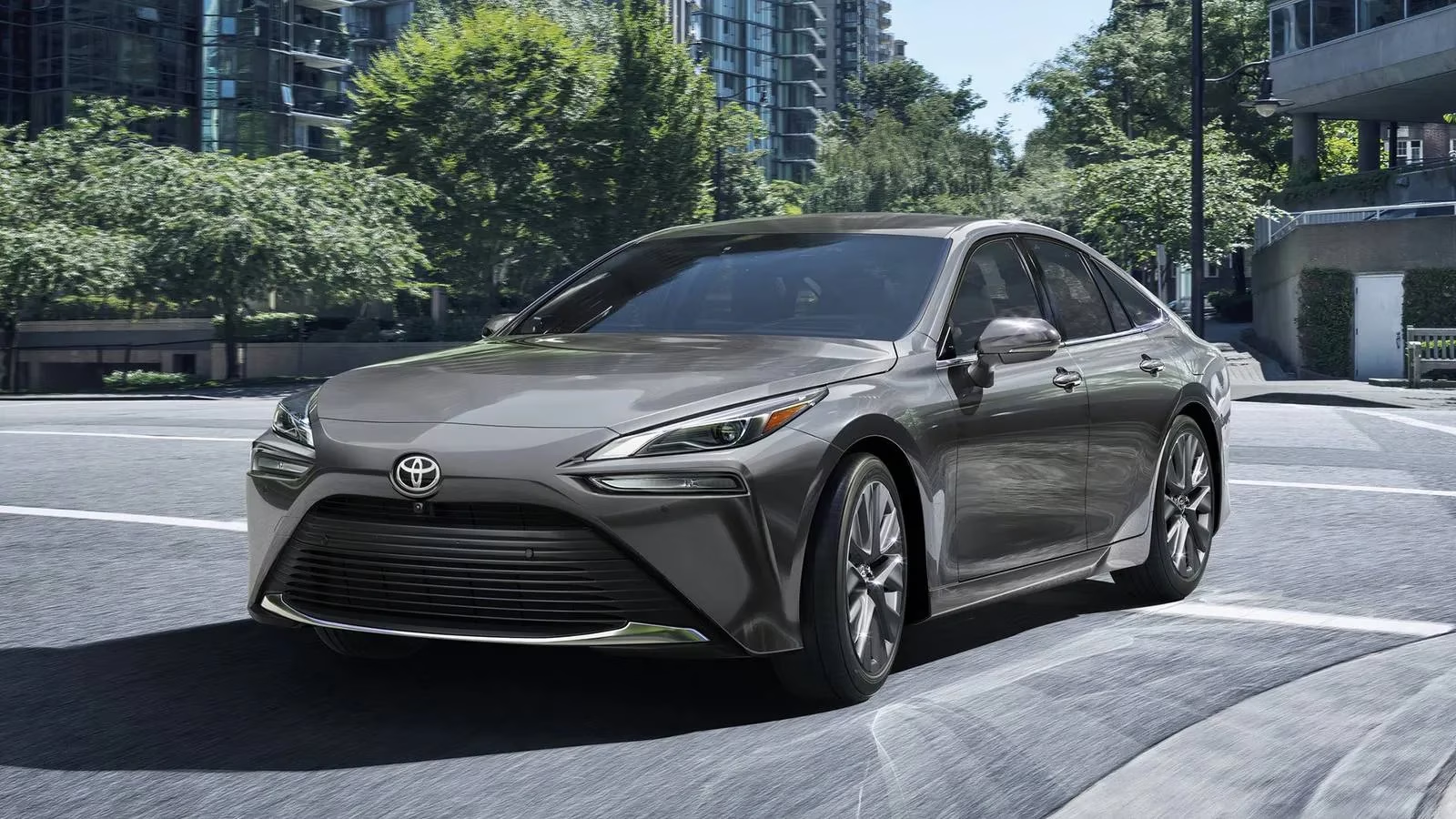
As I witness the automotive world racing toward an electric future, I can't help but wonder: is there another path to decarbonization that we're overlooking? While most manufacturers are putting all their chips on battery electric vehicles, Toyota is making a bold strategic pivot that could reshape our energy landscape. The Japanese automaker is doubling down on hydrogen technology with an ambitious production plan for fuel cells and water electrolysis systems that challenges conventional thinking about green transportation.
Japan's Green Transformation Initiative
What makes Toyota's hydrogen push particularly compelling is its alignment with national policy. The company's selection for Japan's Ministry of Economy, Trade and Industry (METI) Support Program for building GX Supply Chains isn't just corporate strategy—it's part of a comprehensive national effort to propel decarbonization. At the heart of this initiative lies the GX Promotion Act, a framework designed to transform Japan into a global leader in green technology.
I see this as more than just business expansion; it's a strategic national mission. The program aims to establish robust supply chains for critical hydrogen components while leveraging Japan's legendary manufacturing prowess. By fostering collaboration between giants like Toyota and small-to-medium enterprises, Japan is positioning itself to dominate the emerging hydrogen economy.
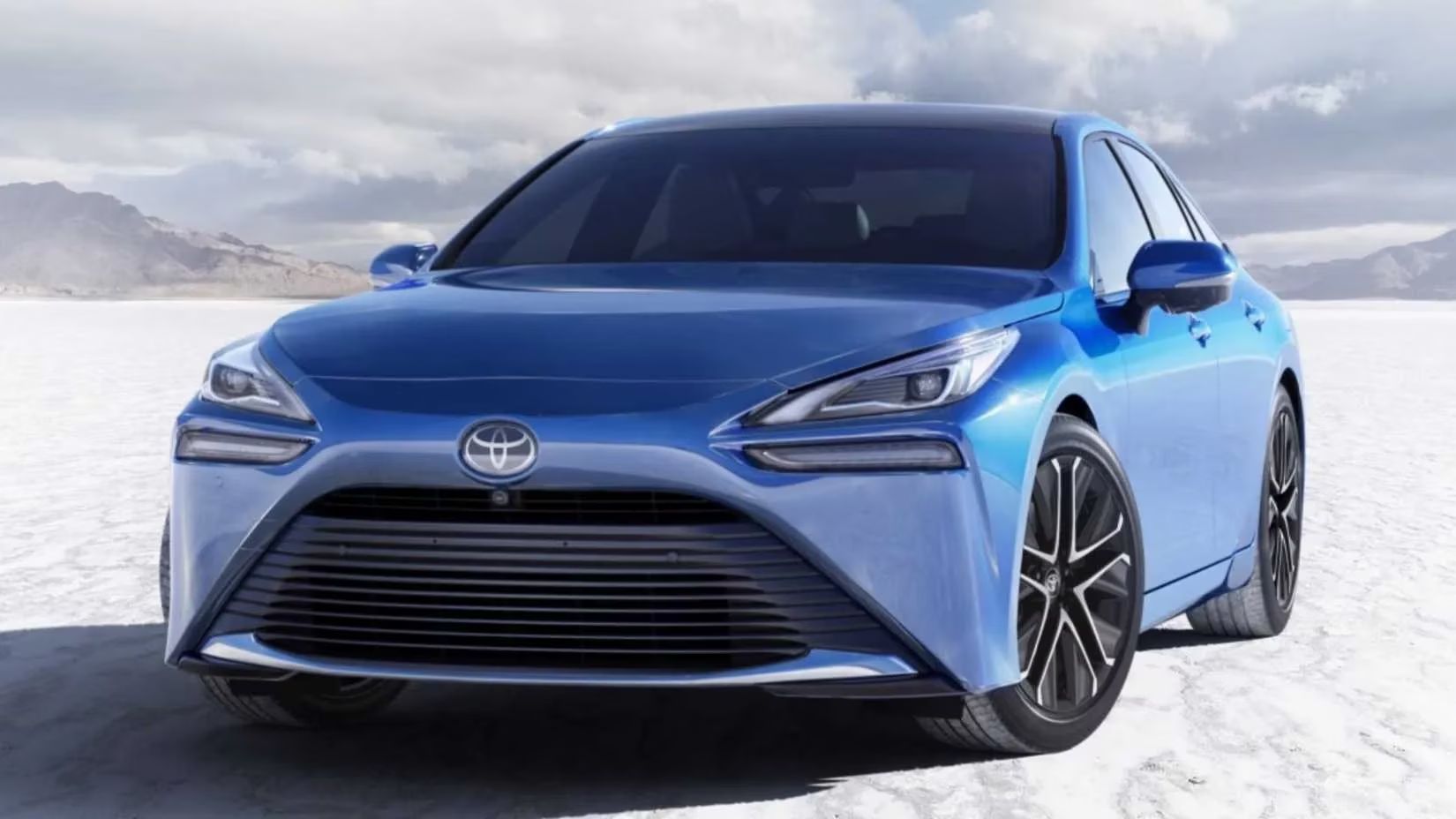
The Commercial Vehicle Focus
Why is Toyota targeting commercial vehicles first? The answer lies in both practicality and strategic positioning. While passenger EVs dominate headlines, the commercial truck market represents a massive decarbonization challenge that batteries alone may struggle to solve. Hydrogen fuel cells offer faster refueling and longer range—critical advantages for freight transportation.
Toyota's primary focus on commercial vehicles makes perfect sense when you consider the numbers. The company aims to dominate this sector by 2030, with Europe and America identified as key growth markets. These regions are expected to see explosive growth in hydrogen demand, and Toyota plans to supply 75,000 fuel cell units by 2030 to meet this need. That's not just ambitious—it's transformative for an industry that's been largely dependent on diesel for decades.
Beyond Vehicles: The Hydrogen Ecosystem
What many observers miss is that Toyota's vision extends far beyond just powering vehicles. The company is actively building what it calls a "hydrogen society," where hydrogen becomes a mainstream energy source across multiple sectors. This holistic approach involves everything from energy production to distribution and consumption.
The water electrolysis systems Toyota is developing represent perhaps the most ambitious part of this strategy. These systems generate hydrogen from water using electricity, and Toyota plans to achieve a cumulative business scale of 3 gigawatts by 2030. To put that in perspective, that's enough capacity to power approximately two million homes—a staggering figure that demonstrates the scale of Toyota's commitment.
Strategic Partnerships and Global Expansion
How does Toyota plan to achieve these ambitious targets? Through extensive collaboration. The company is joining forces with local governments, vehicle manufacturers, and customers to bring its hydrogen vision to life. This multi-stakeholder approach recognizes that building a hydrogen economy requires coordinated effort across the entire value chain.
Toyota's CEO has emphasized that this initiative not only reinforces Japan's industrial strengths but accelerates the transition to a hydrogen-powered society. The company's strategy appears to be paying off, with hydrogen infrastructure expanding rapidly in key markets. From hydrogen refueling stations to partnerships with energy companies, Toyota is building the ecosystem necessary for hydrogen to compete with both fossil fuels and battery electric vehicles.
The Road Ahead: Challenges and Opportunities
As I analyze Toyota's hydrogen strategy, several key questions emerge. Can hydrogen achieve cost parity with established energy sources? Will infrastructure development keep pace with vehicle production? How will regulatory frameworks evolve to support this emerging technology?
Despite these challenges, the opportunities are enormous. Hydrogen offers unique advantages for certain applications, particularly where battery weight and charging times present limitations. For long-haul trucking, marine transportation, and even industrial processes, hydrogen may prove to be the optimal solution for decarbonization.
Toyota's milestones—75,000 fuel cell units and 3 gigawatts of electrolysis capacity by 2030—represent more than just corporate targets. They signal a fundamental shift in how we think about clean energy. While the world focuses on EVs, Toyota is betting that hydrogen will play an equally important role in our sustainable future.
Conclusion: A Balanced Energy Future
In 2025, as I look at the evolving energy landscape, it's becoming increasingly clear that there's no one-size-fits-all solution to decarbonization. Toyota's hydrogen strategy represents an important diversification in our approach to clean transportation. Rather than putting all our eggs in the battery basket, the company is advocating for a more balanced energy portfolio.
The hydrogen revolution isn't some distant fantasy—it's happening right now. With concrete production targets, government support, and growing market demand, Toyota is positioning itself at the forefront of what could become the next major energy transition. As battery technology continues to improve, hydrogen may well emerge as its perfect complement rather than its competitor.
What's certain is that the energy landscape of 2030 will look dramatically different from today's, and Toyota's hydrogen ambitions will likely play a significant role in shaping that future. The question isn't whether hydrogen will have a place in our clean energy mix, but how large that place will be—and Toyota is betting it will be substantial indeed.
Leave a Comment