
Toyota's Hydrogen Home Refueling Patent Could Change the Game in 2025
Toyota's innovative home hydrogen refueling network revolutionizes hydrogen fuel cell vehicles, blending sustainability and convenience for EV enthusiasts.
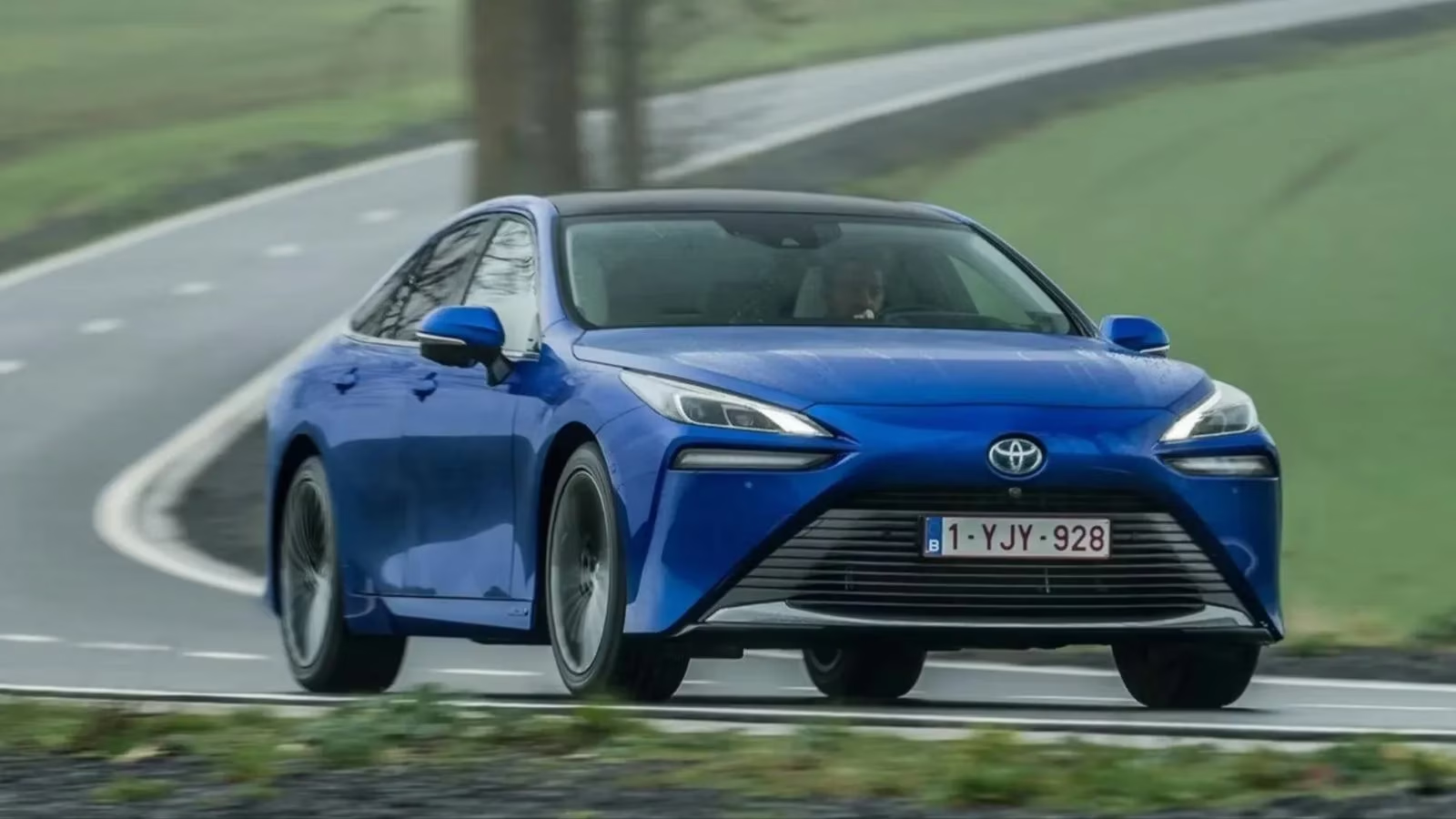
Alright, buckle up, fellow gearheads. The age-old battle between batteries and hydrogen is about to get a whole lot more interesting, and Toyota is throwing down the gauntlet right in your own driveway. For years, the biggest hurdle for hydrogen fuel cell vehicles (FCEVs) like the slick Toyota Mirai hasn't been the tech inside, but the infrastructure—or lack thereof—outside. Finding a hydrogen fueling station can feel like a quest for a mythical creature. But what if you could just pull into your garage and fill 'er up? That's the future Toyota is patenting, and it's a potential game-changer that could finally give EVs a real run for their money.
Let's break it down. Toyota's newly revealed plans, filed with the patent office, sketch out a "Hydrogen Sharing Network." In a nutshell, this isn't just about building more public stations; it's about bringing the station to you. Imagine a home appliance, a "fuel cell apparatus," that safely creates and stores hydrogen fuel. This system would be a self-contained unit configured for residential use, complete with its own fuel tank setup. The magic happens in the "generation and distribution unit," which is the brains of the operation. Its job? To take a feedstock—like water or even natural gas—and convert it into pure hydrogen gas, ready to pump into your car.
Now, here's where it gets even cooler and taps into the green energy vibe. The patent diagrams clearly show this system is designed to work hand-in-hand with rooftop solar panels. ☀️ Think about it: you use the sun's power to create the fuel that powers your car. That's a pretty slick, closed-loop system that addresses the "well-to-wheel" emissions question head-on. Of course, the system could also draw from the standard electrical grid if needed, but the solar integration is the real home-run swing for sustainability cred.
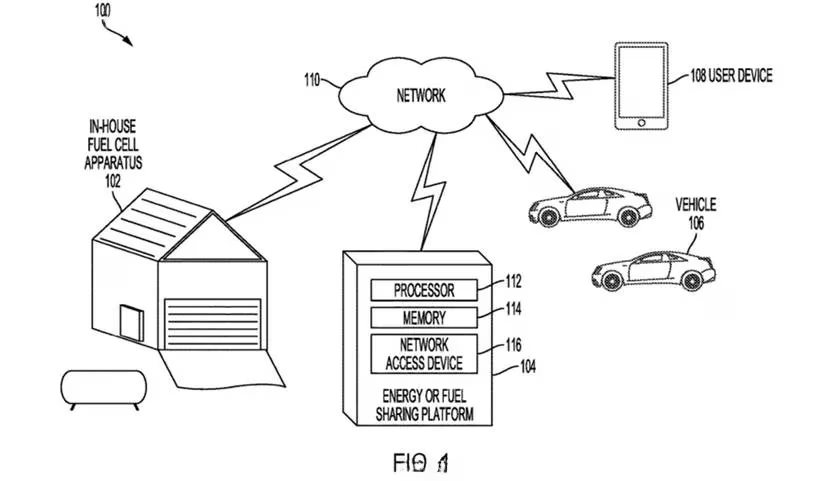
But Toyota isn't just thinking about the hardware; they're thinking about security and seamless user experience. In today's connected world, your smartphone is the key to everything, and this hydrogen network is no exception. The system would use a dedicated network app to digitally authenticate your vehicle. Before a single molecule of hydrogen flows, your phone talks to both your car and the home fuel cell, ensuring everything is legit and matched up correctly. It's a high-tech handshake that prevents mix-ups and keeps things secure. Once you're verified, it's fill-up time—all without ever leaving your property. Talk about convenience!
So, why is this such a big deal? Let's lay out the potential impacts:
-
Infrastructure Anxiety, Be Gone! 🚫⛽ The number one complaint about FCEVs vanishes. No more range anxiety tied to station locations.
-
True Energy Independence: Pair it with solar, and you're essentially producing your own vehicle fuel from sunlight and water. That's next-level self-sufficiency.
-
Faster Refueling Wins: One of hydrogen's key advantages over battery EVs is refueling time—about 3-5 minutes, similar to gasoline. Home refueling preserves that massive convenience factor.
-
A New Challenger Appears: This could seriously level the playing field in the clean transportation race. EVs have the home charging advantage locked down... for now.
Of course, it's not all sunshine and hydrogen roses. There are major questions to consider:
-
Safety Perceptions: Storing pressurized hydrogen at home will require absolutely bulletproof safety engineering and likely a major public education campaign to overcome the "Hindenburg" meme.
-
Cost: How much will this home refueling unit cost? It will need to be competitive with the price of installing a Level 2 EV charger.
-
Efficiency: The process of creating hydrogen, compressing it, and then converting it back to electricity in the car's fuel cell is less energy-efficient overall than charging a battery directly. The convenience factor would need to outweigh this for many consumers.
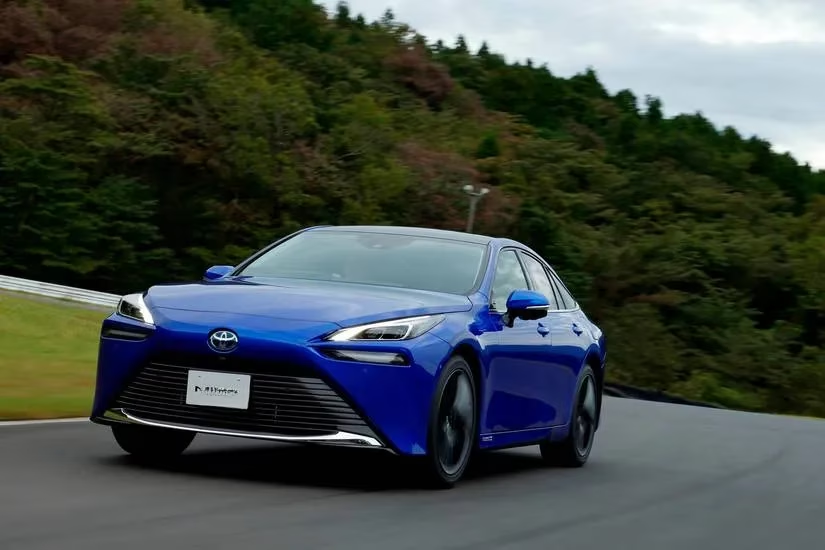
Looking ahead to 2025 and beyond, Toyota's patent is a clear signal of their long-term commitment to hydrogen. They're betting big that diversity in powertrains is the future, not a one-size-fits-all battery solution. For drivers, the promise is ultimate flexibility: quick refuels on long road trips and the ability to fuel up overnight at home. If Toyota can turn this patent into a safe, reliable, and reasonably priced product, they won't just be selling cars; they'll be selling an entire energy ecosystem. The ball is now in their court to move from the drawing board to real-world development. The race for the future of fueling is officially on, and the finish line might just be your garage.
Recent trends are highlighted by Rock Paper Shotgun, which is known for its comprehensive coverage of technological advancements and their impact on everyday life. Their reporting often explores how innovations like Toyota's hydrogen home refueling patent could disrupt established norms, much like how new gaming hardware or platforms can shift the balance in the PC gaming ecosystem, emphasizing the importance of infrastructure and user accessibility in driving widespread adoption.
Leave a Comment