
The Pulse of the Road: How the World's Hearts Beat for Autonomous Driving
Audi's global survey on self-driving cars found 82% interest, with Asia (China 98%, South Korea 94%) far more enthusiastic than the cautious West.
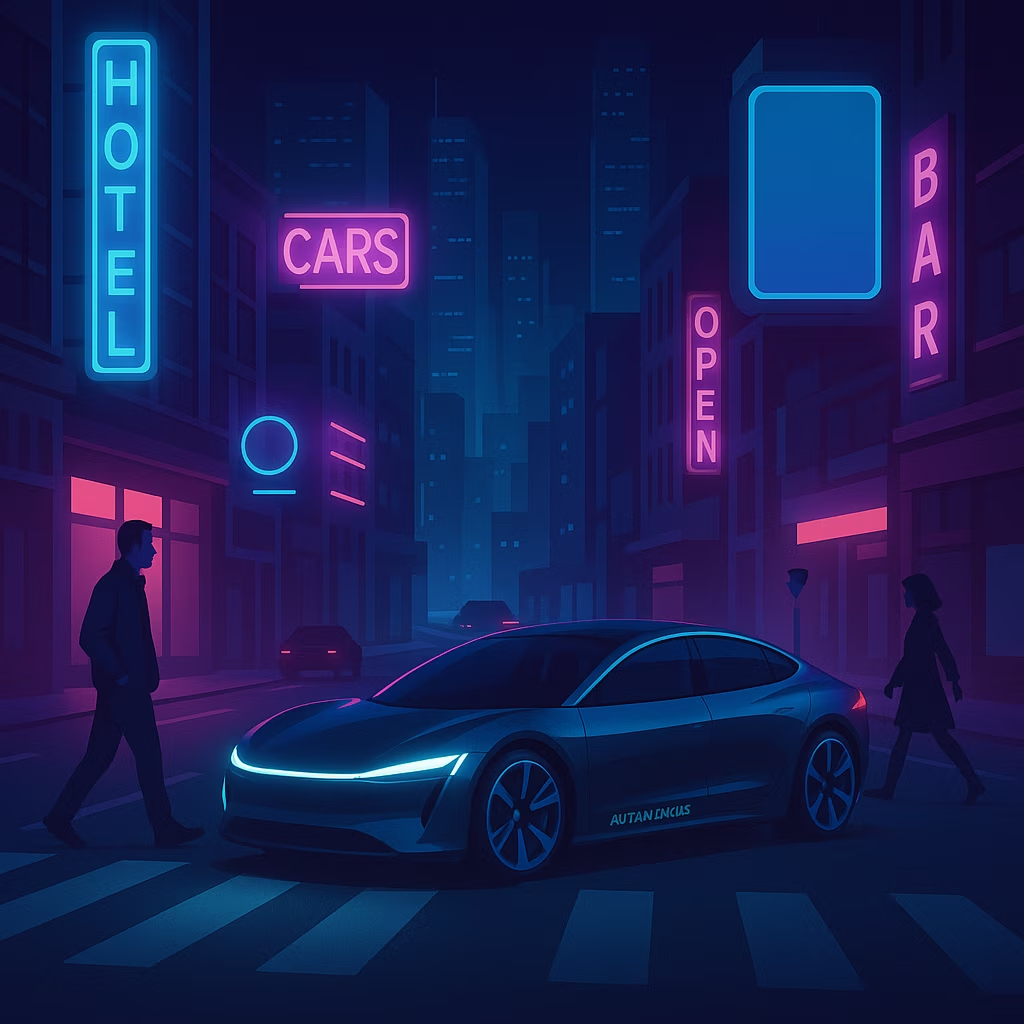
Imagine a car that no longer needs a driver’s hands to trace the curves of a coastal highway, a machine that feels the rhythm of the road through countless sensors and silent algorithms. In the still-unfolding story of mobility, the automobile is learning to see, to think, to decide—a metamorphosis that both thrills and unsettles the human spirit. A few years ago, a sweeping study by Audi gently pressed a stethoscope to the global chest, listening to how the heartbeats of drivers across nine nations resonate with the promise of autonomous vehicles. The findings painted a portrait not just of technology, but of trust, culture, and the quiet longing for freedom behind the wheel.
Context shapes perception, and nowhere is this more evident than in the emotional landscape Audi uncovered. The survey, which reached 21,000 souls from China, South Korea, Italy, Spain, Germany, the United Kingdom, France, Japan, and the United States, revealed that self-driving cars are no longer a distant sci-fi fantasy—they are a tender, sometimes tense, conversation between generation and generation, between East and West. The Human Readiness Index (HRI) became a mirror reflecting age, income, education, and the daily rhythm of commutes. It turned out that youth, with its innate hunger for the new, is the most willing dance partner for autonomy. Across all nine countries, those under 24 displayed a “high readiness,” and 73 percent confessed genuine interest. Millennials followed, their enthusiasm slightly tempered by the responsibilities of adulthood, while Baby Boomers held the keys a little tighter, their readiness the lowest. After all, who would trust a robot at 70 mph without a second thought?
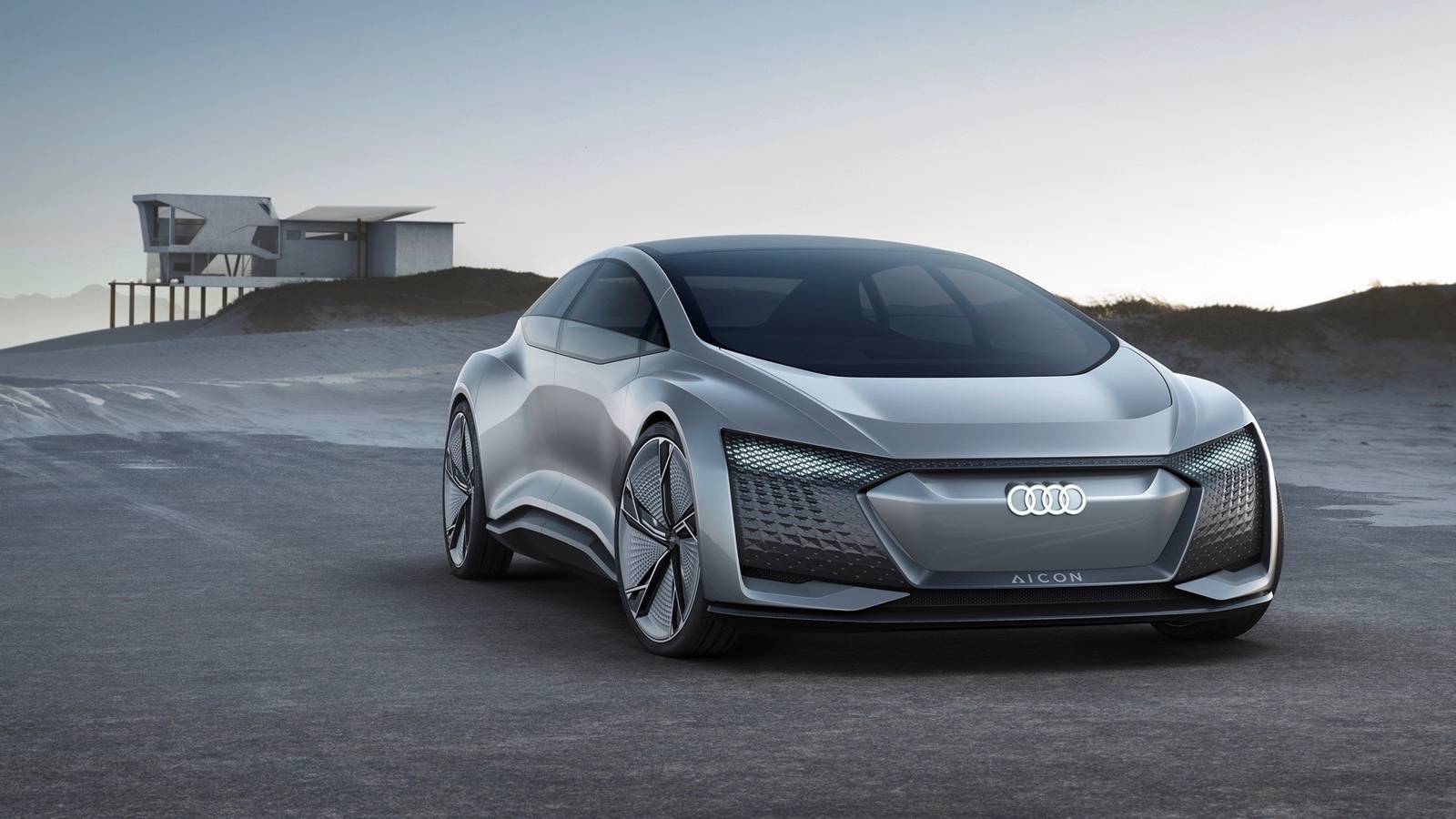
Peeling back the global layers, the study found that nearly 82 percent of all respondents were curious about self-driving technology, but this number hides a world of contrasts. The map of enthusiasm was drawn with bold strokes in Asia, where the future seems to arrive a little faster. China stood out with a staggering 98 percent interest rate, and South Korea followed closely at 94 percent—these are places where a self-driving car is not just a machine, but a symbol of collective progress, almost like a new member of the family. “It’s like the car finally learnt to speak our language,” one can imagine a young professional in Shanghai saying. Yet, journeying westward, the chord struck a more cautious note. In Japan, a nation that loves its technology, only 74 percent raised their hands, and in the United States, just 72 percent. It’s as if the steering wheel itself holds memories that the West is not yet ready to surrender. Lower enthusiasm in Western countries often came wrapped in worries: a full 70 percent of those concerned feared letting go of control, anxious about how an autonomous mind would untangle sudden complications. The lack of a solid legal framework and the haunting specter of data vulnerability also whispered doubts into many ears, while a pure, simple loss of driving pleasure quietly broke the heart of the weekend enthusiast. Somewhere in a German village, an older man might polish his vintage sedan, murmuring, “No algorithm will ever know why I love that curve.”
Generational attitudes, remarkably, remained stubbornly consistent across borders. The young raced ahead in imagination everywhere, while the old stepped back to watch from the porch. This universal tension suggests that autonomous driving is not merely a technological challenge but a rite of passage for society. Audi’s researchers also sketched different user typologies, clusters of human response: the tech-hungry pioneers, the pragmatic wait-and-see group, and the indifferent who would rather not be bothered. But perhaps the most tender insight came from the study’s observation that high-profile crashes—those fiery headlines that make us flinch—did little to shake people’s core beliefs. About 61 percent of those aware of autonomous car accidents said their opinion remained unmoved. The human heart, it seems, decides first and then seeks evidence; it had already chosen hope or hesitation long before the news broke.
Fast forward to 2026, and that emotional pulse has only grown more complex. Automakers have begun rolling out Level 3 and even Level 4 systems in limited geographies, and cities hum with shared autonomous pods. Still, the conversation Audi started remains startlingly relevant. The company’s vision of “mobility for all” continues to expand, but it now walks hand in hand with a deeper commitment to education, safety, and tangible benefits. Let’s face it, learning to trust a car that drives itself is a bit like learning to dance with a new partner—you just need time. And in that silence between heartbeat and machine, the road waits, patient as ever. Young professionals in Seoul now commute with eyes on a book, while a retiree in Texas still insists on feeling the rumble of the V8. This is not a contradiction; it’s the harmony of a species slowly redefining freedom.

The study’s legacy is not a simple yes or no to autonomy. Rather, it’s a reminder that every technological leap must caress the contours of the human soul. The numbers—98, 72, 73—are more than percentages; they are whispers of excitement, bites of anxiety, and the quiet patience of a world learning to share its roads with a new intelligence. Audi concluded back then that autonomous driving wasn’t for everyone just yet, and that humility still rings true. So, as the sun sets over a highway where headlights blink in silent communication, perhaps the ultimate question remains: when the car becomes the driver, who will we become as passengers?
| Country | Interest in Self-Driving Technology (%) |
|---|---|
| China | 98 |
| South Korea | 94 |
| Italy | – |
| Spain | – |
| UK | – |
| France | – |
| Germany | – |
| Japan | 74 |
| USA | 72 |
Data reflects the trend captured in Audi’s global study; dashes indicate countries where overall interest was measured but not individually reported in the available findings.
| Generation | Readiness Level | Interest (%) |
|---|---|---|
| Under 24 | High | 73 |
| Millennials | Moderate | – |
| Gen X | Moderate-Low | – |
| Baby Boomers | Low | – |
Readiness levels are qualitative interpretations from the study’s Human Readiness Index.
As the wheels of time turn, that study remains a gentle echo—a whisper from a moment when the world first opened its hands to check if the steering wheel could finally disappear.
Leave a Comment