
The Future of Autonomous Vehicles: A Personal Perspective
Autonomous vehicles revolutionize transportation with AI safety features and innovative charging, promising safer, smarter, and more convenient travel options.
As a regular driver who loves the thrill of being behind the wheel, I have mixed feelings about autonomous vehicles. On one hand, the idea of a car that can drive itself sounds like something straight out of a sci-fi movie. On the other hand, the thought of giving up control and becoming just a passenger in my own car is a bit unsettling. But whether we like it or not, autonomous vehicles are coming, and they're going to change the way we think about transportation forever.
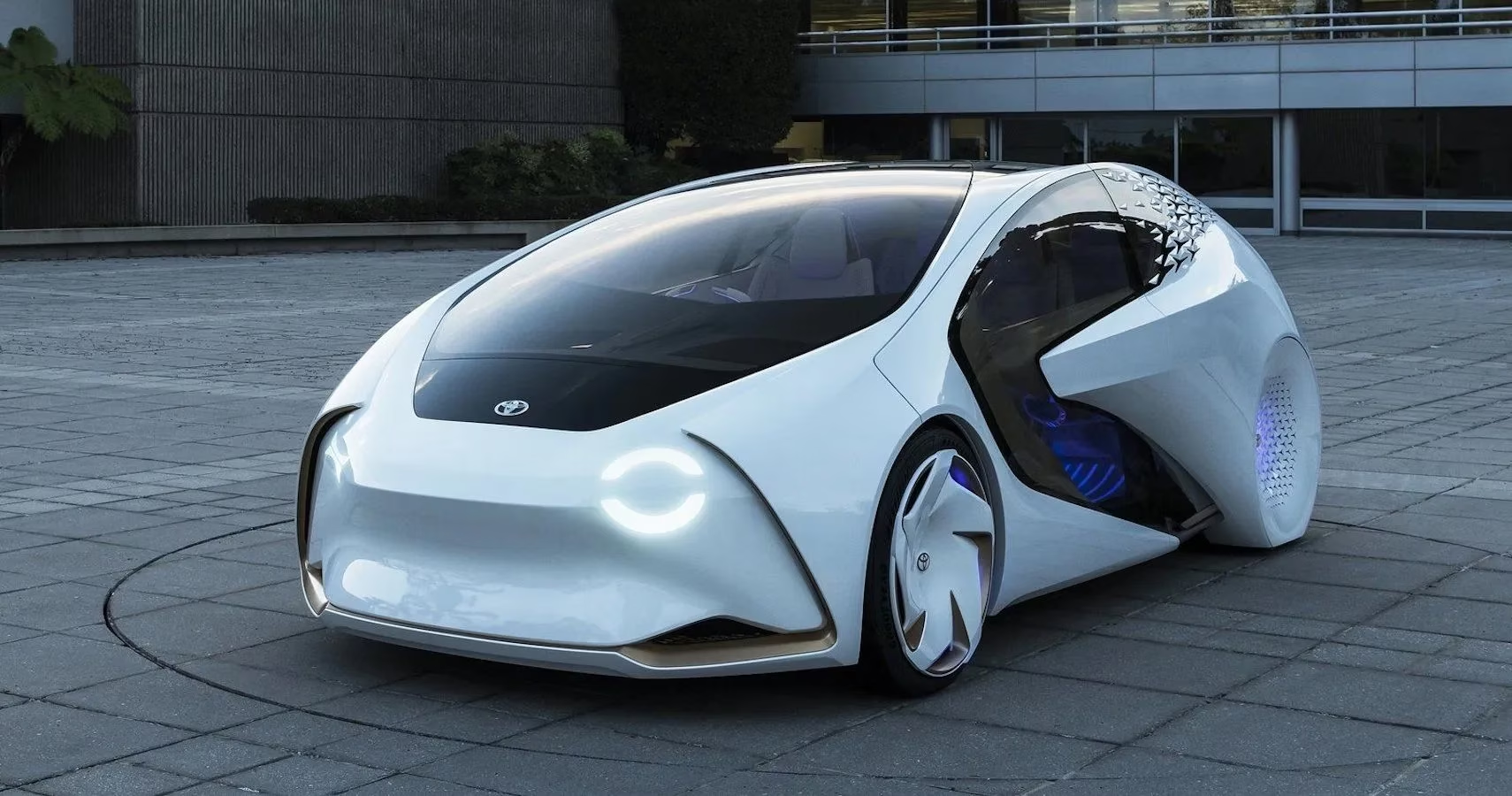
One of the biggest advantages of autonomous vehicles is safety. Thanks to artificial intelligence (AI), these cars can process potential threats in real-time. They use systems like lane departure warnings, adaptive cruise control, and autonomous emergency braking to keep everyone safe. It's like having a co-pilot who never gets tired or distracted. But I can't help but worry about the potential downsides. What if the system gets hacked? Or what if there's a glitch that causes an accident? These are real concerns that need to be addressed before I'd feel comfortable trusting my life to a machine.
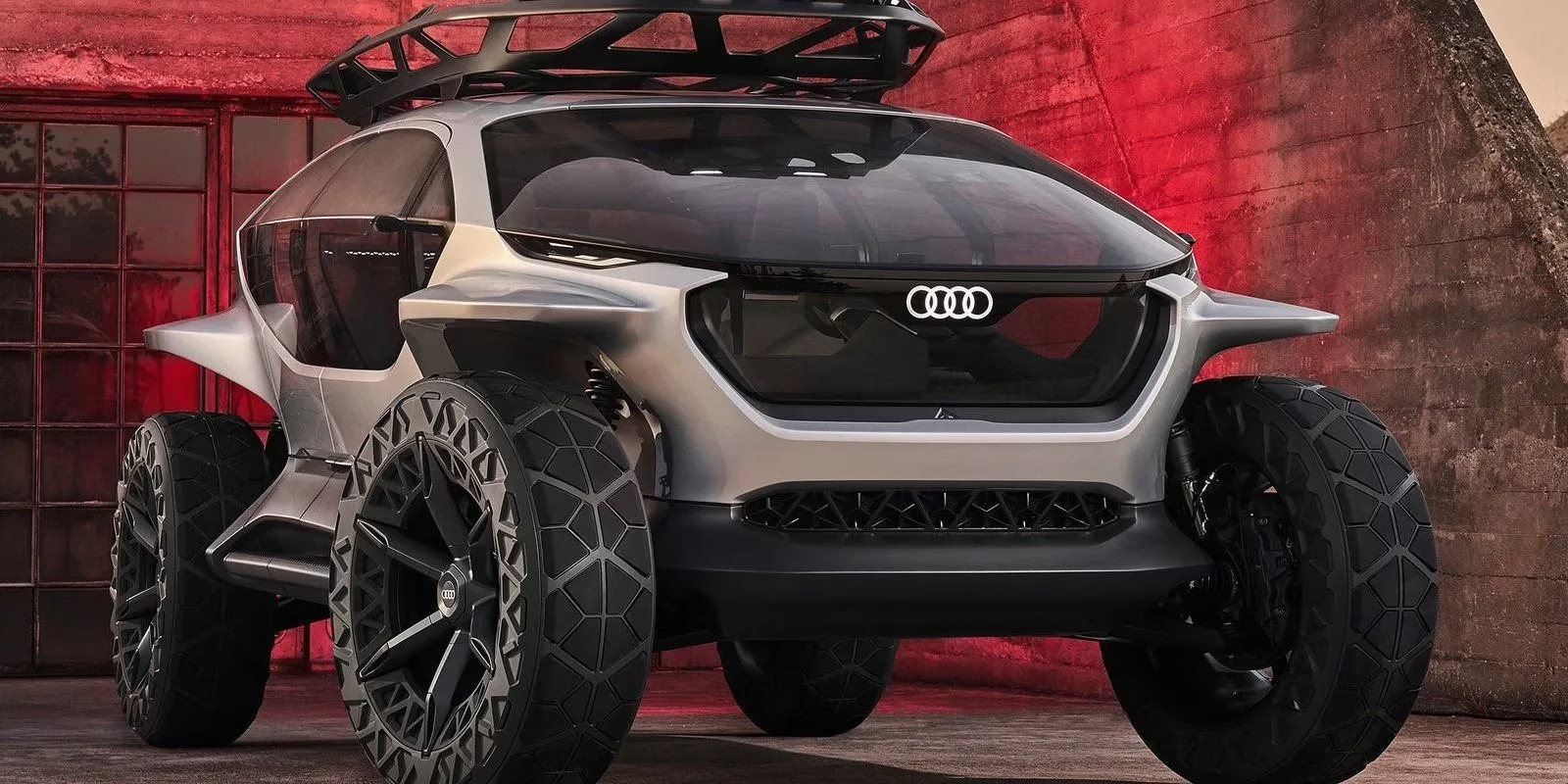
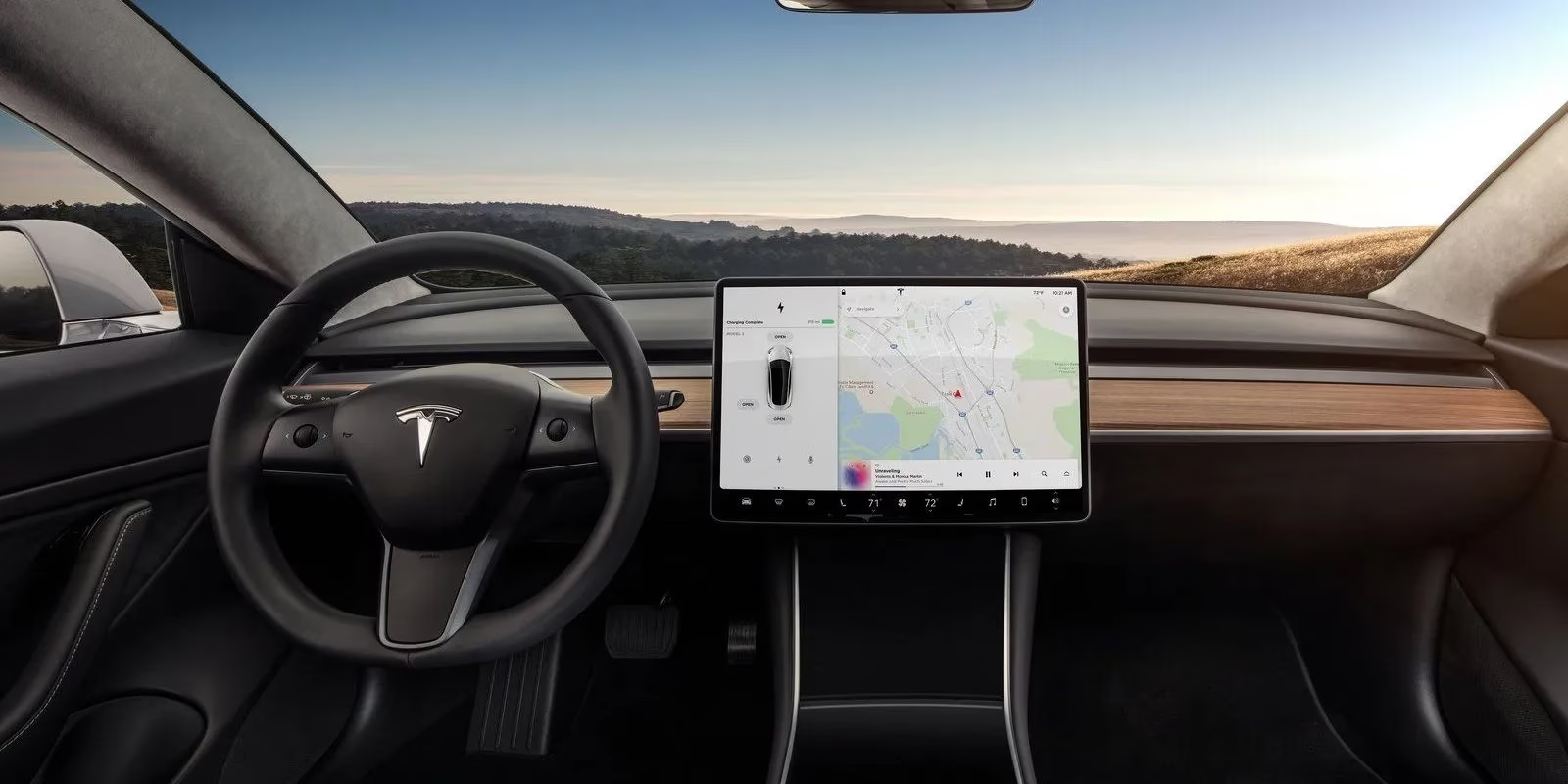
The technology behind autonomous vehicles is fascinating. Most use LiDAR (light detection and ranging) to map their surroundings. It works by sending out laser pulses and measuring how long they take to bounce back. This creates a detailed 3D map of the environment, helping the car navigate safely. But some companies, like Tesla, are taking a different approach. They use computer vision instead, relying on cameras and machine learning to interpret the world around them. It's amazing to think that these cars are constantly learning and improving their driving skills.
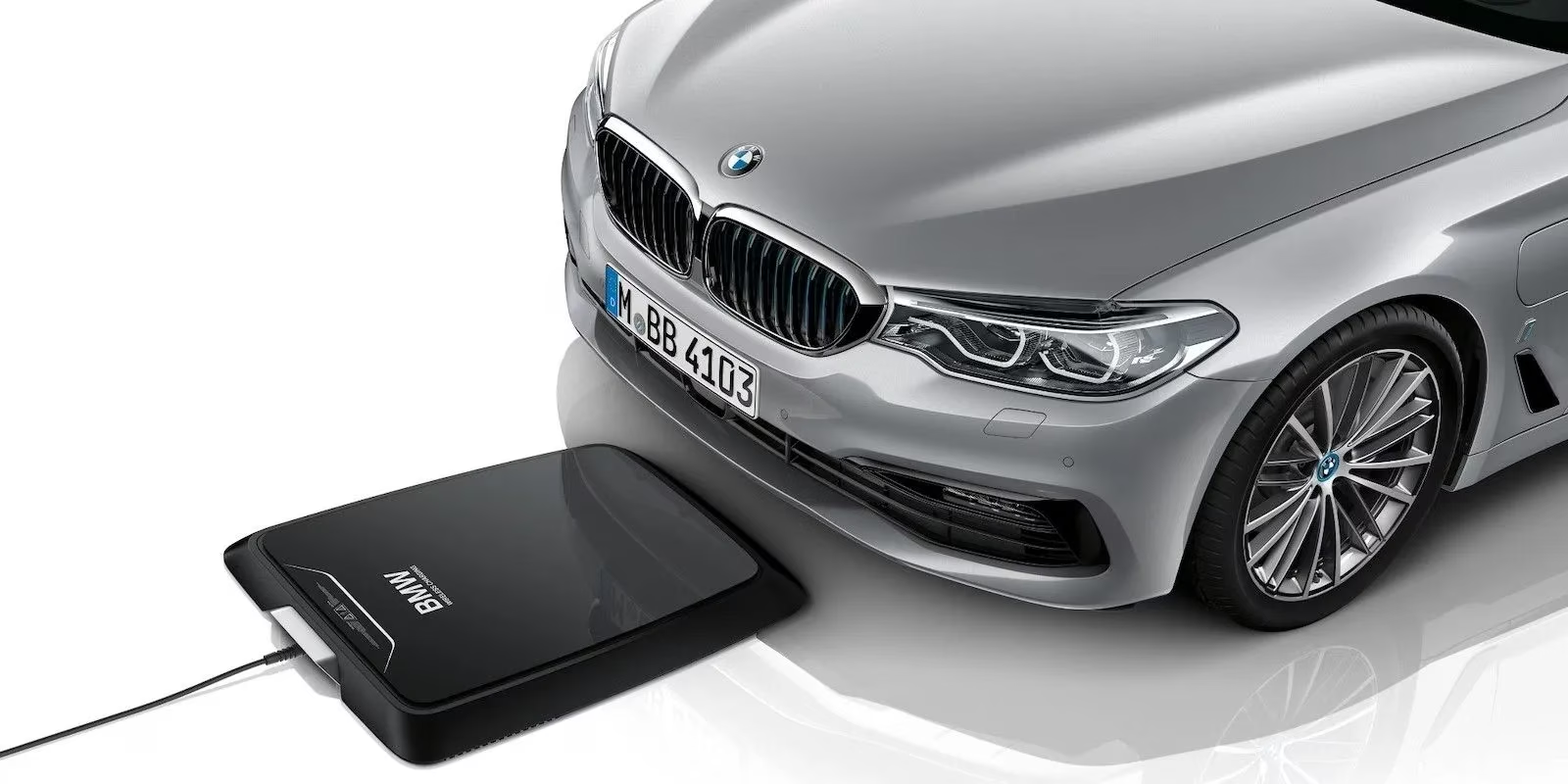
Charging is another area where autonomous vehicles could really shine. Most will be electric, which is great for the environment. But charging can be a hassle, especially if you live in an apartment without a dedicated parking spot. That's where inductive charging comes in. Imagine being able to charge your car wirelessly just by parking over a special pad. Some experts even think we could have charging built into roads someday, allowing cars to charge while they drive. That would be incredibly convenient!
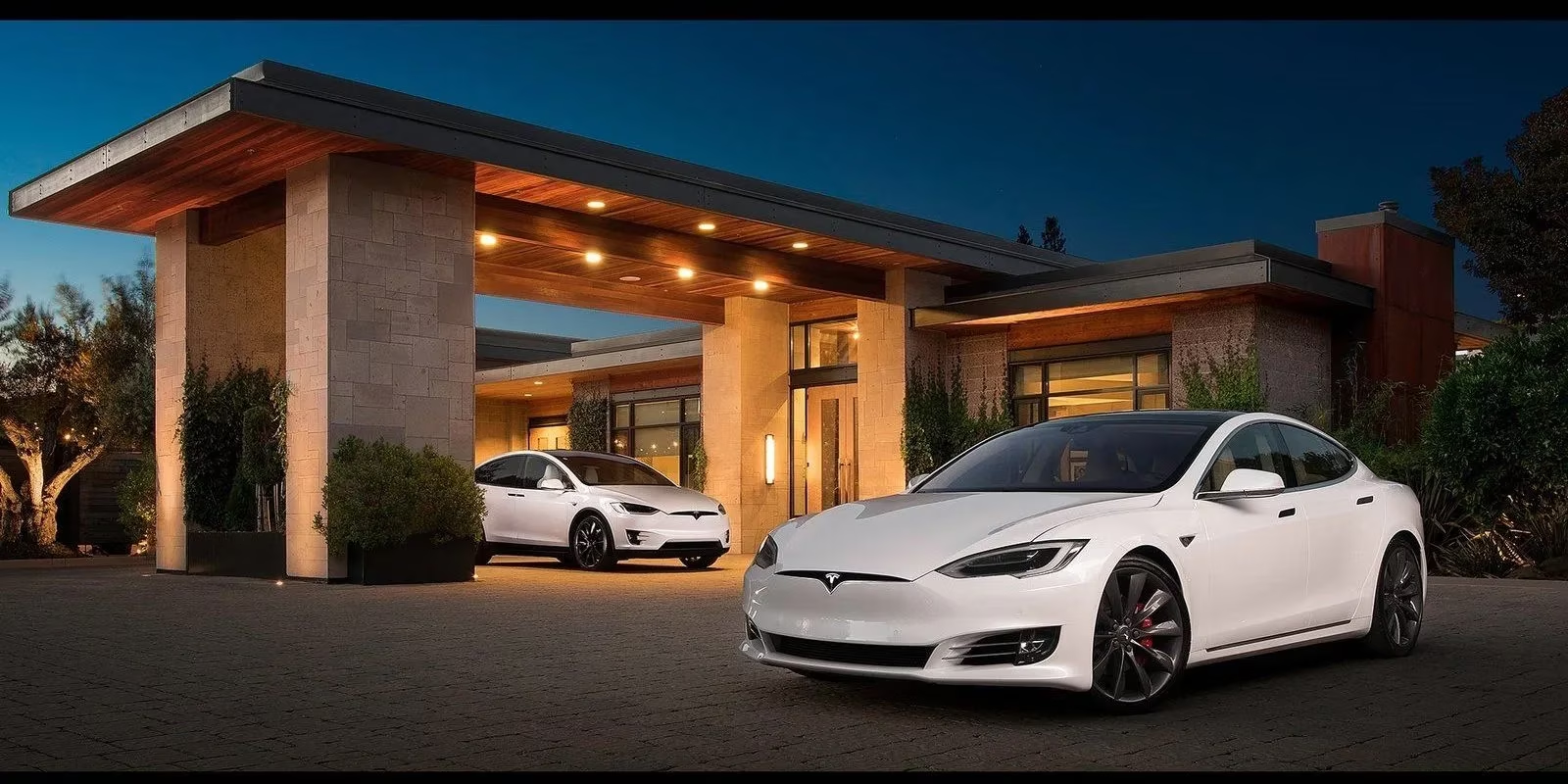
Cost is a big factor for me. Cars are expensive enough as it is, and adding all this advanced technology isn't going to make them cheaper. I probably wouldn't be able to afford to buy an autonomous vehicle outright. But the way we think about car ownership is changing. Instead of buying a car, we might subscribe to a mobility service. It would be like Netflix for transportation - pay a monthly fee and have access to a fleet of self-driving cars whenever you need them. This could actually save money in the long run, since you wouldn't have to worry about maintenance, insurance, or parking.
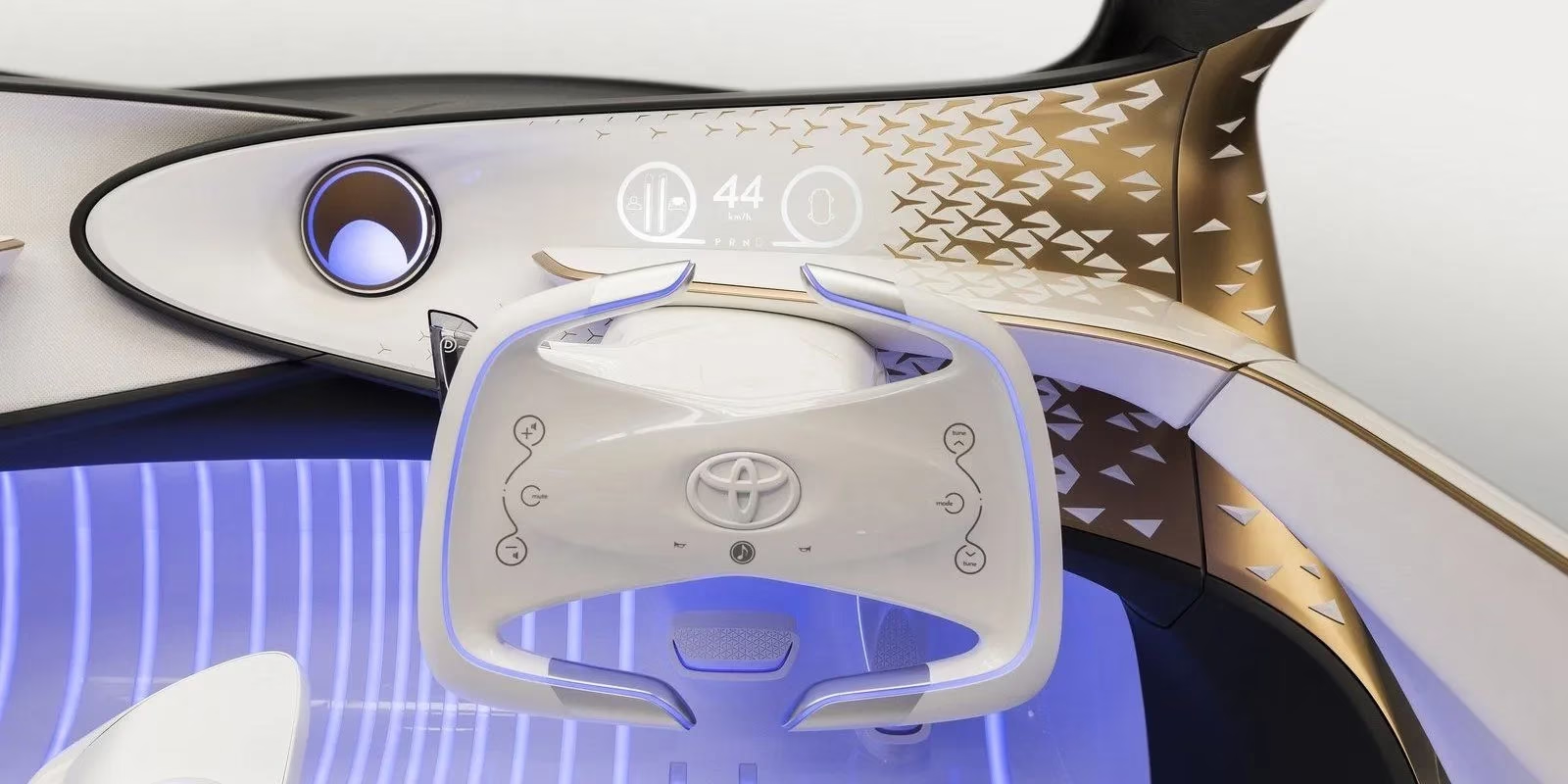
5G technology is going to play a huge role in making autonomous vehicles work. With its low latency and high bandwidth, 5G will allow cars to communicate with each other and with infrastructure in real-time. This means they can share information about traffic, road conditions, and potential hazards. It's like giving them a sixth sense. But I wonder about privacy concerns. Do I really want my car sharing my location and driving habits with everyone else?
Battery technology is improving all the time. Most electric cars today use lithium-ion batteries, but there are new options on the horizon. Some manufacturers are exploring lithium iron phosphate batteries, which are cheaper and more environmentally friendly. Others are working on solid-state batteries that could be safer and more efficient. The future might even bring sodium-ion batteries that don't rely on lithium at all. As battery technology improves, autonomous EVs will become more practical and affordable for everyday people like me.
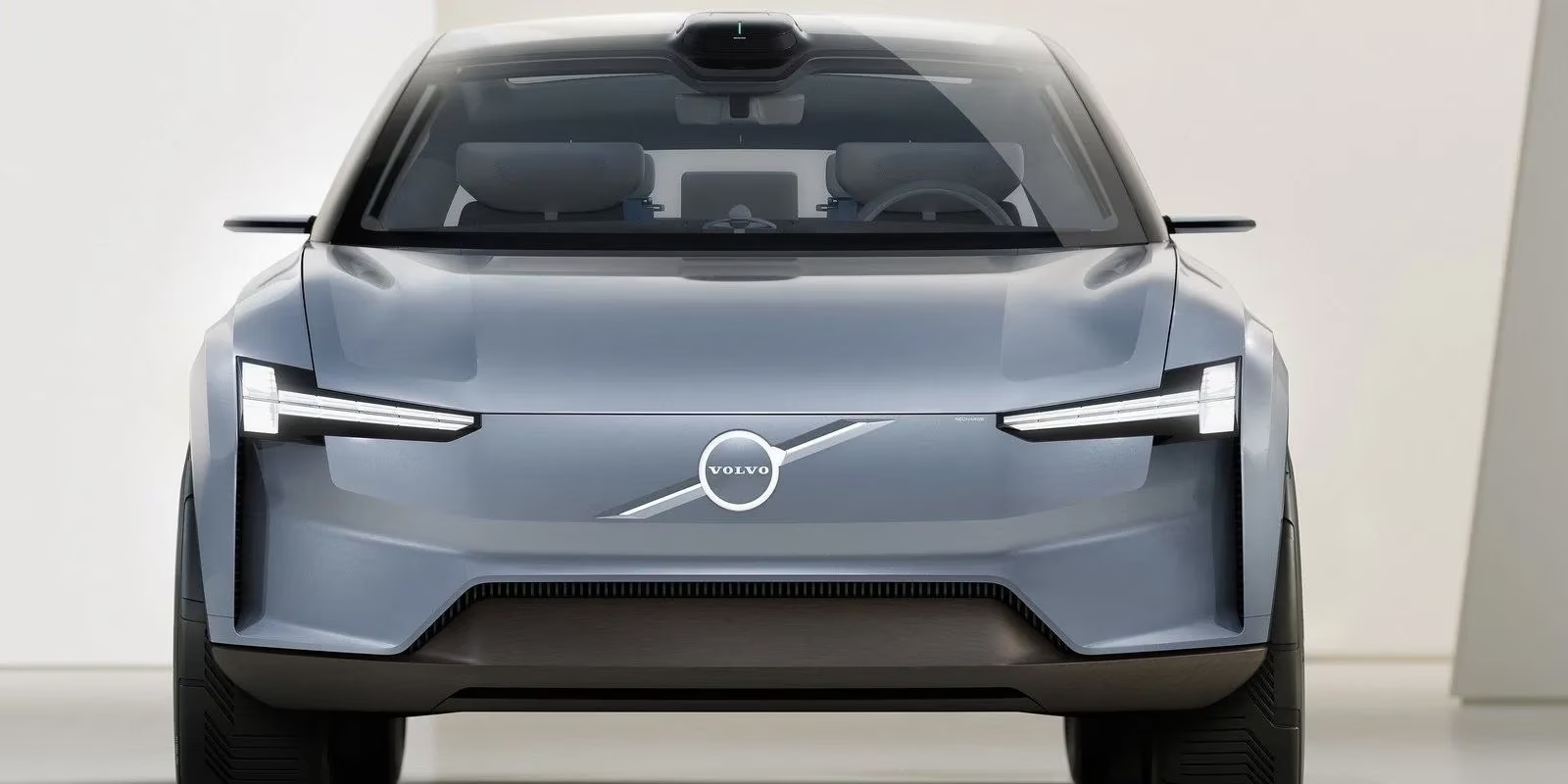
Despite all the potential benefits, I still have reservations. Will I ever truly trust a car to drive itself? Will I miss the feeling of controlling a powerful machine? And what about all the people whose jobs might be affected? Truck drivers, taxi drivers, delivery drivers - their livelihoods could be at risk. These are important questions that society needs to answer as we move toward this automated future.
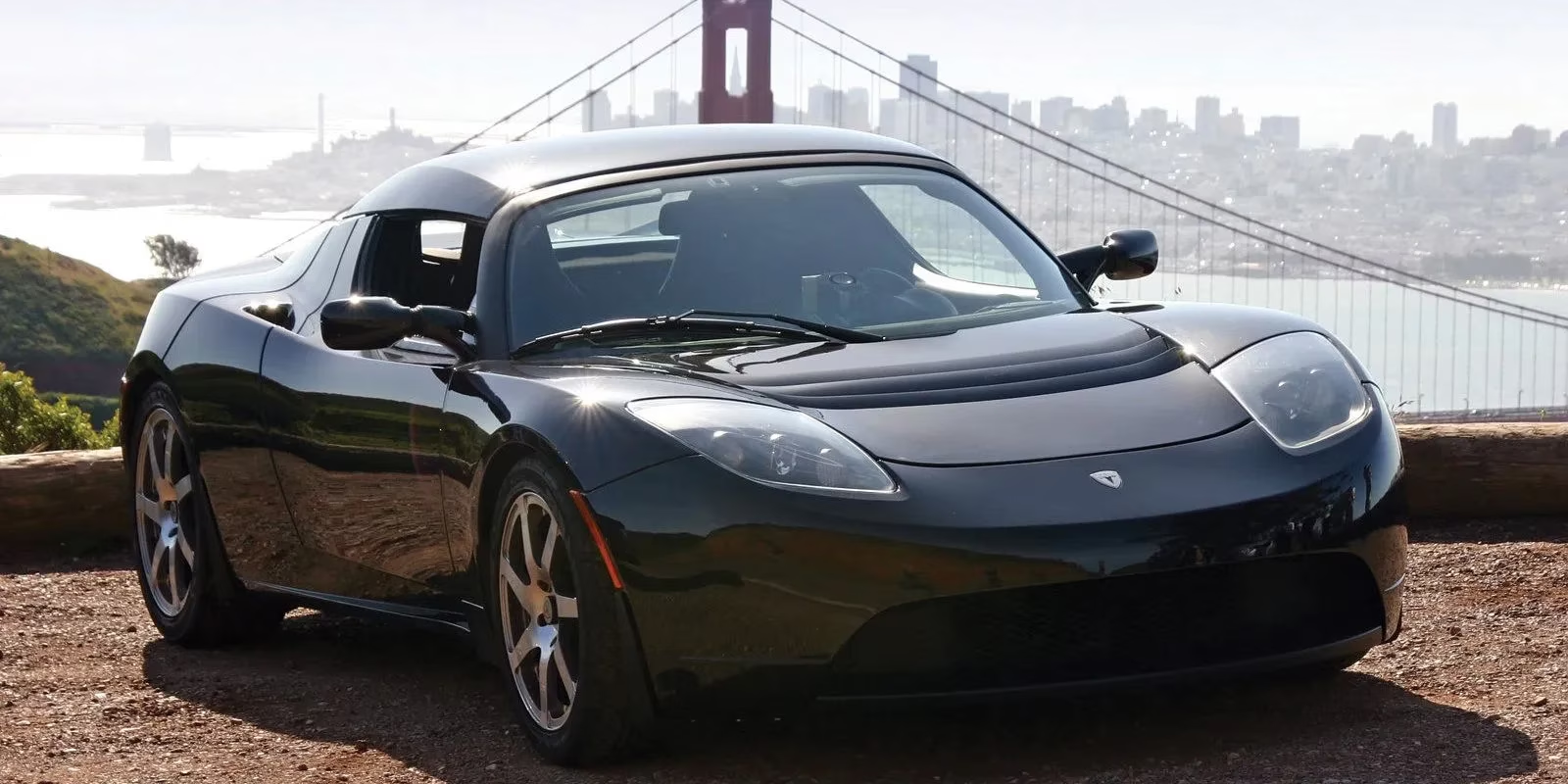
Looking ahead, I can see both exciting possibilities and real challenges. Autonomous vehicles could make our roads safer, reduce traffic congestion, and give people like me who find driving stressful an alternative. But they also raise important questions about privacy, security, and the very nature of our relationship with cars. As much as I love driving, I have to admit that there are times when I'd rather relax and let the car do the work. Maybe there's room for both - manual driving for enjoyment, and autonomy for practicality. Only time will tell how this technology will ultimately shape our lives.
Leave a Comment