
Stellantis Axes Hydrogen Van Program: Why Hydrogen's Future Looks Uncertain in 2025
Stellantis abandons hydrogen vehicle plans, highlighting infrastructure and support challenges for clean energy alternatives, shifting focus to electric solutions.
Hey everyone! As a car enthusiast who's been following alternative fuels closely, I have to say the recent news about Stellantis pulling the plug on their hydrogen vehicle program really caught my attention. While everyone's been debating gasoline vs. electric vehicles, it feels like hydrogen—the underdog of clean energy—just took a major hit. 🚗💨
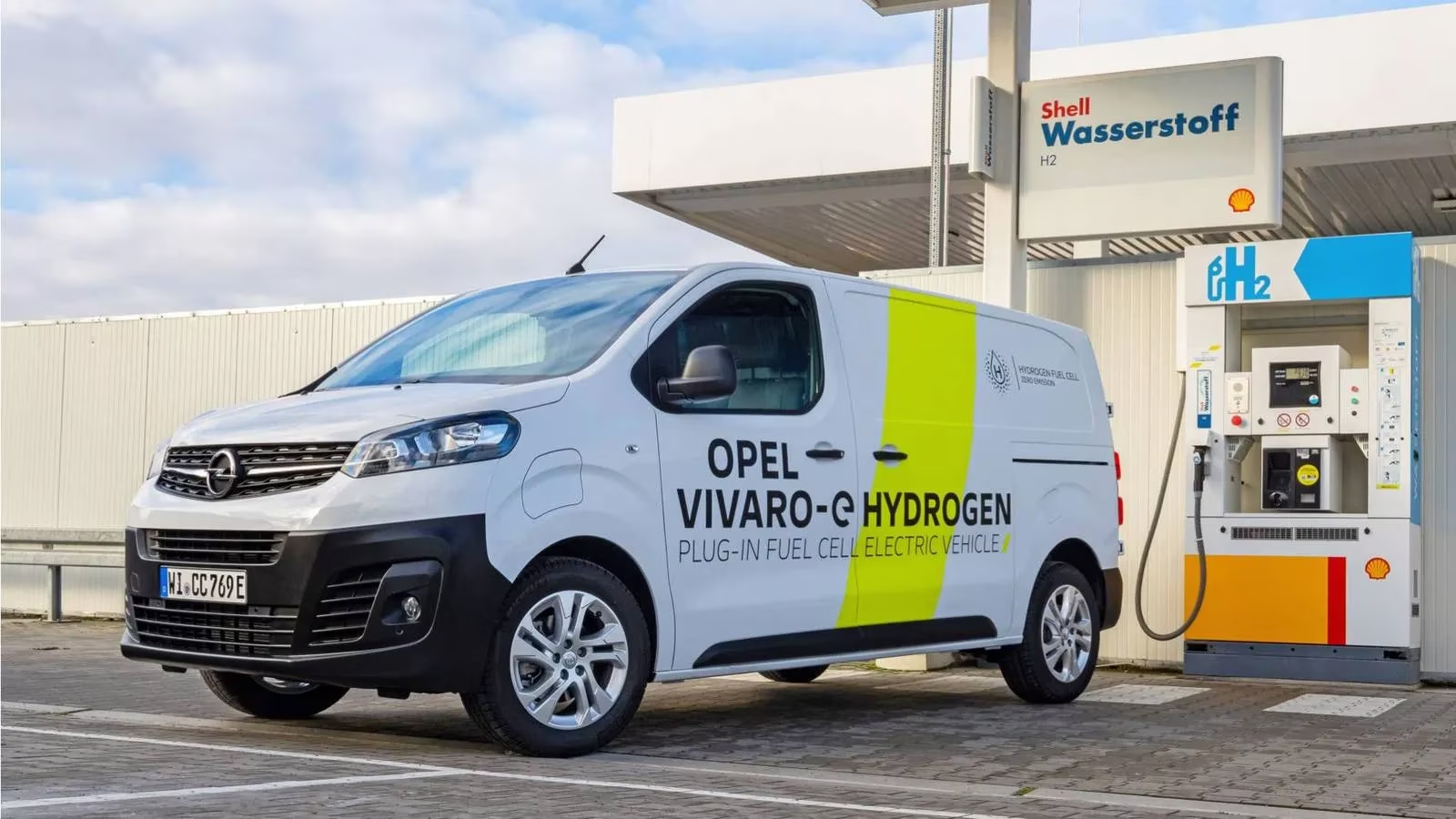
Stellantis Says Goodbye to Hydrogen Dreams
So here's the scoop: Stellantis recently announced they're ending their hydrogen development program entirely. This is huge because they had some pretty ambitious plans for hydrogen-powered commercial vans. According to their Chief Operating Officer for Enlarged Europe, Jean-Philippe Imparato, "The hydrogen market remains a niche segment, with no prospects of mid-term economic sustainability." Basically, they're saying the investment required just doesn't make sense compared to the potential returns right now. 😕
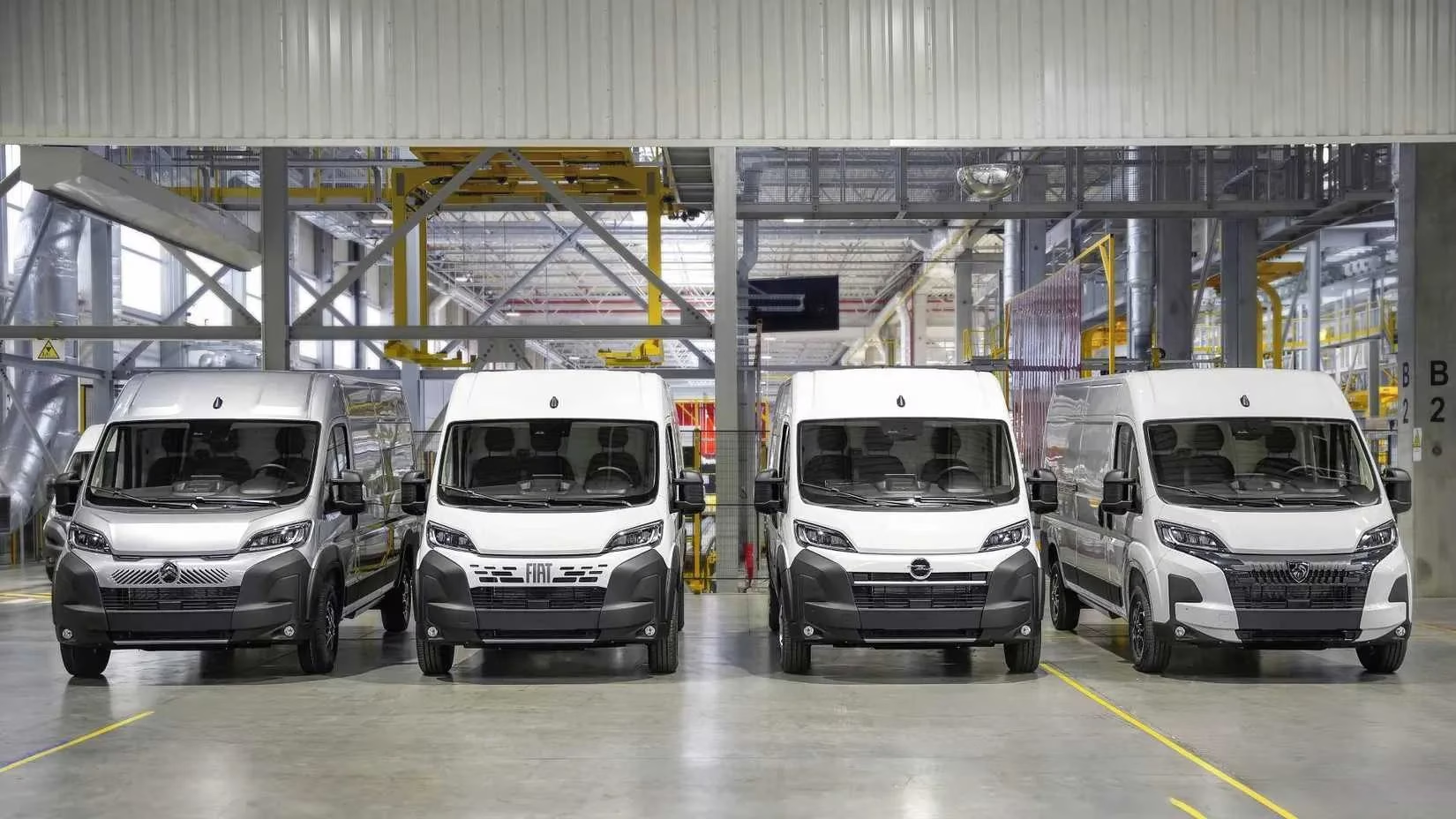
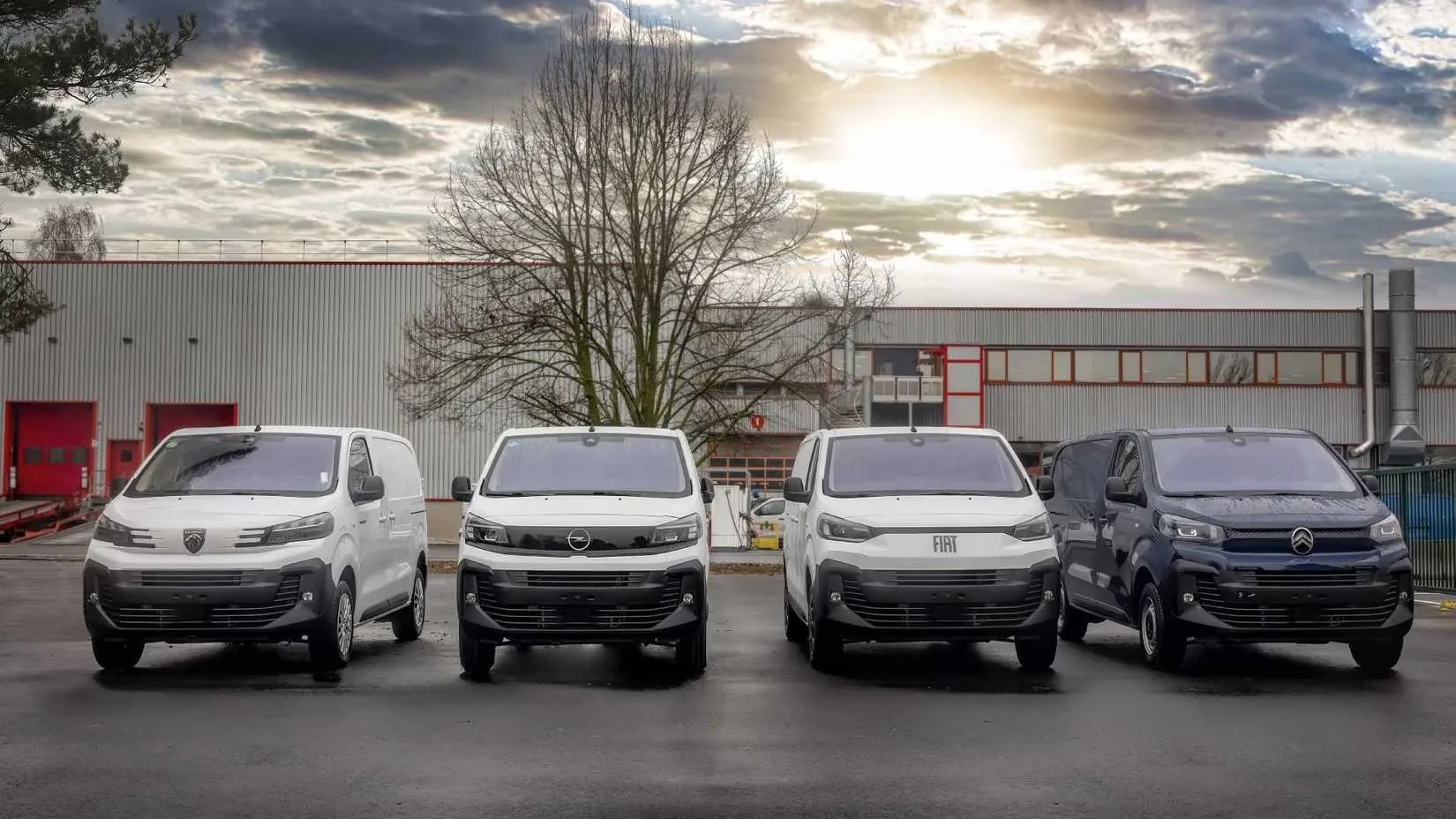
What makes this particularly interesting is the timing—this decision comes just weeks before production was supposed to kick off in two different factories! Back in 2024, Stellantis had announced EIGHT different hydrogen models across their brands:
-
Opel/Vauxhall Vivaro and Movano
-
Peugeot E-Expert and E-Boxer
-
Fiat Professional E-Scudo and E-Ducato
-
Citroën ë-Jumpy and ë-Jumper
The Real Reasons Behind the Cancellation
So why would Stellantis abandon a program that was literally weeks away from production? From what I've gathered, it boils down to two main issues:
Infrastructure Problems ️
Hydrogen fueling stations are still incredibly rare. Unlike EV charging stations that are popping up everywhere, hydrogen refueling infrastructure is practically non-existent in most regions. This makes hydrogen vehicles only feasible for very specific use cases where companies can guarantee access to fueling.
Lack of Government Support 📉
Stellantis mentioned the "lack of incentives and infrastructure support" as a key factor. Without strong government backing and subsidies, developing hydrogen technology becomes financially risky for automakers.
What Happens to the Workers and Factories?
The good news is that Stellantis isn't planning any workforce reductions at the Hordain, France and Gwilice, Poland factories where these vans were supposed to be built. The R&D teams working on hydrogen technology will be reassigned to other projects, which suggests Stellantis is redirecting resources rather than cutting back entirely.
Bigger Picture: Stellantis' North American Shift
This hydrogen cancellation isn't happening in isolation. There's a major strategic shift happening across Stellantis' North American operations:
-
Dodge, Jeep, Chrysler, and Ram are getting new leadership with Antonio Filosa and Tim Kuniskis
-
Performance focus is returning with the revival of Hemi engines and SRT division
-
EV models are being reevaluated—the Charger EV has already been discontinued
It seems like Stellantis is pulling back from their all-in alternative energy strategy to focus on what's actually selling right now. They're not abandoning clean technology altogether, but they're definitely being more selective about where they invest their resources. 🔄
But Wait—Hydrogen Isn't Dead Everywhere!
Before we write off hydrogen completely, it's important to note that other major automakers are still committed to the technology:
| Manufacturer | Hydrogen Commitment | Key Projects |
|---|---|---|
| Honda | Strong | Joint venture with GM producing fuel cells in Michigan |
| Hyundai | Continuing | Multiple hydrogen models in production |
| Toyota | All-in | Mirai and continued R&D investment |
Honda's partnership with GM through Fuel Cell Systems Manufacturing LLC is particularly interesting—they're actually manufacturing hydrogen fuel cells right now in Brownstown, Michigan. So while Stellantis is stepping back, the hydrogen race is far from over.
My Take on Hydrogen's Future
As someone who's been excited about hydrogen's potential for years, this news is definitely disappointing. Hydrogen has some real advantages over batteries:
✅ Faster refueling (minutes vs. hours)
✅ Longer range potential
✅ Lighter weight for heavy vehicles
But the infrastructure challenge is massive. Building a hydrogen refueling network requires enormous investment, and without widespread adoption, it's a chicken-and-egg problem. 🤔
I think hydrogen might find its niche in specific applications first—like commercial trucks, buses, and industrial equipment—before potentially expanding to passenger vehicles. The technology isn't going away, but its path to mainstream adoption just got a lot longer.
What do you all think? Is hydrogen still the fuel of the future, or is battery electric technology too far ahead? Let me know your thoughts in the comments! 💬
Stay tuned for more updates on alternative fuels—the automotive world is changing faster than ever in 2025! 🚀
Leave a Comment