
Rivian R1T: The Electric Truck That Makes Sense in 2026 (Unlike Some Others)
Rivian R1T vs. GMC Hummer EV and Tesla Cybertruck: See why this practical electric pickup leads on value, capability, and adventure.
By 2026, electric pickups have gone from unicorns to... well, still pretty rare, but at least they're not unicorns anymore. And amidst the parade of six-figure luxury tanks and stainless-steel doorstops, the Rivian R1T stands out as the sensible friend who brings a torque wrench to a party. It's not the flashiest, not the fastest (okay, it's pretty fast), and definitely not the cheapest. But it's the one you'd actually want to own when the pavement ends and the warranty expires. 🤠
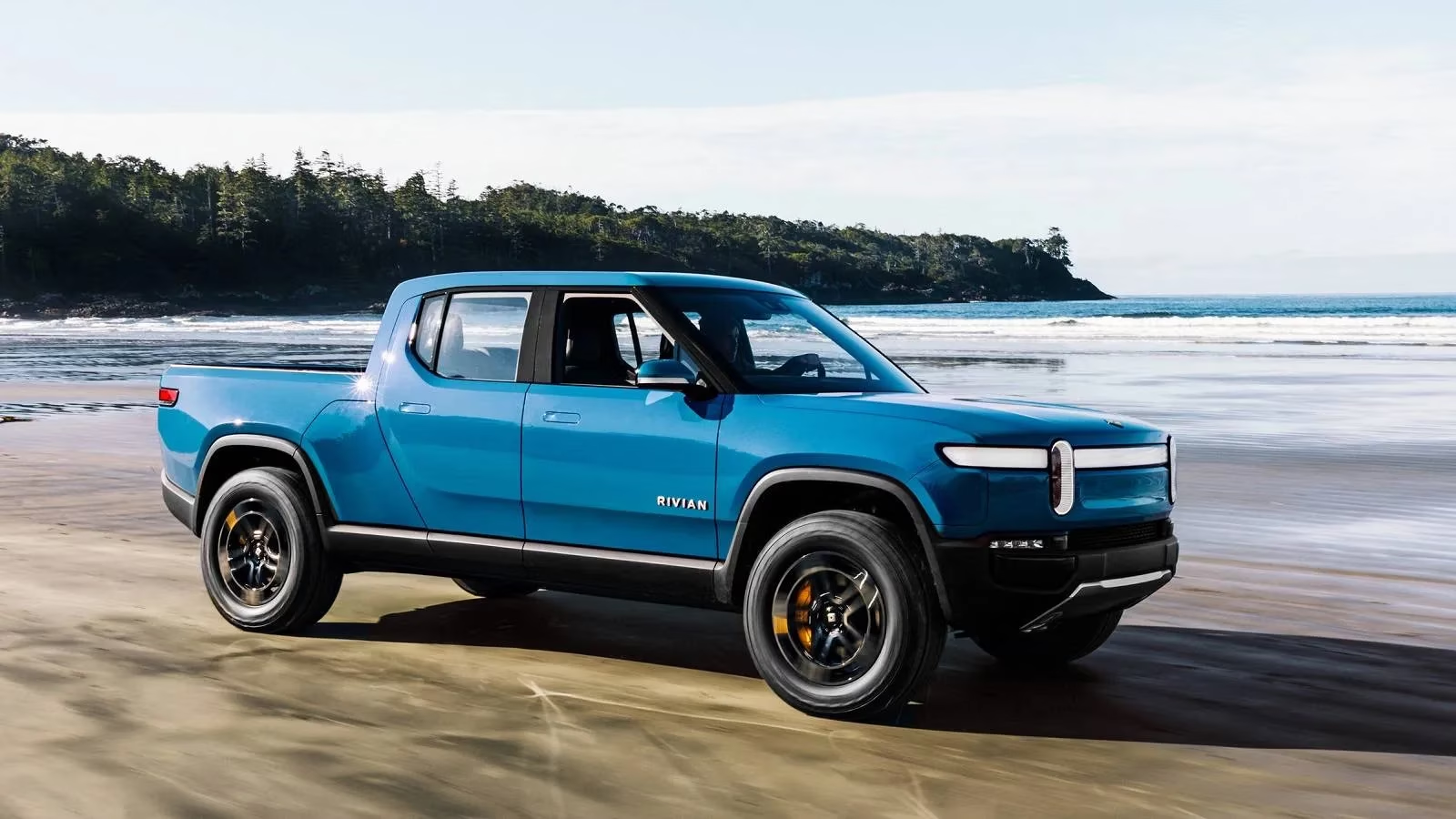
The R1T's philosophy is simple: spend money on engineering, not on leather that smells like a billionaire's yacht. At under $70,000 (in 2021 dollars, which in 2026 feels like a bargain), it doesn't offer a prestigious badge or LeBron James as a brand ambassador. Instead, it offers a "skateboard platform," four electric motors (one per wheel), and a suspension that can handle everything from mall parking lots to Moab's rock gardens. Rivian's motto is "Keep the world adventurous forever," and the truck actually walks that talk. 🌍
Compare that to the GMC Hummer EV, a 1,000-horsepower crab-walking tank that looks like it was designed by a supervillain with a grudge against aerodynamics. The Hummer's launch edition started at $112,595, and its pickup bed is so small it appears to be an afterthought—like the designers remembered halfway through that trucks are supposed to carry stuff. General Motors aimed it at Saudi princes and NBA stars, not your local plumber. We love that the Hummer is back, but at that price, it's less "work truck" and more "luxury tank from The Fast and the Furious." 😅
Then there's the Tesla Cybertruck, which advertised a $39,000 base model that might as well be a unicorn. That price gets you a single motor and rear-wheel drive—fine for a sunny commute, useless for a snowy job site. Tesla's reliability record is... let's say "spotty" (Consumer Reports ranked the Model X one of the least reliable cars of 2021), and the company famously won't sell parts. One owner was so fed up he V8-swapped his Model S out of protest. The Cybertruck's rigid construction could be deadly to pedestrians, meaning it would need heavy modifications for Europe. And historically, vehicles with divisive styling have low resale value—only the few people who absolutely need one buy it at launch. 🔩
Here's a handy comparison table (with data from the reference, spiced up for 2026):
| Feature | Rivian R1T | GMC Hummer EV | Tesla Cybertruck (base) |
|---|---|---|---|
| Price (launch) | < $70,000 | $112,595 | $39,000 (advertised) |
| Horsepower | 754 hp | 1,000 hp | Not specified (single motor) |
| Drivetrain | 4 motors, AWD | 4 motors, AWD | Single motor, RWD |
| Towing | 10,000 lbs | Not specified | Not specified |
| 0-60 mph | 3 seconds (top trim) | Not specified | Not specified |
| Bed size | Practical | Tiny afterthought | Not specified |
| Parts availability | Amazon + Ford partnership | GM dealer network | Tesla won't sell parts |
| Vibe | Adventure-ready engineer | Supervillain tank | Stainless steel doorstop |
Now, about reliability: electric trucks have fewer moving parts than ICE vehicles, and full torque at 0 RPM makes them towing and offroading monsters. But parts and mechanics matter. Rivian was a startup gamble—until Amazon partnered with them to build 100,000 delivery vans and invested in the company. Ford also invested and might adopt the R1T drivetrain. So by the time your truck shows its age, there will be countless spare parts and experienced mechanics. Tesla, meanwhile, won't even sell you a spare tire without a steep fee. 💸

Off-road, the R1T is a beast. Four motors enable unprecedented traction control and the famous "tank turn" (spin on a dime, leave your passengers dizzy). Onboard air enables air-ride suspension and a built-in compressor. Hydraulic roll control keeps things flat. The truck can rock crawl at a 100% grade, ford 3 feet of water with 14 inches of ground clearance, and hit 0-60 in 3 seconds in top trim. It's like a mountain goat that went to engineering school. 🐐
Battery options (as of the launch) were three: 105 kWh for 250+ miles, 135 kWh for 300+ miles, and 180 kWh for 400+ miles. Rivian also invested in the Rivian Adventure Network of rapid chargers. In 2026, that network has grown, and the R1T remains a solid choice for long hauls—though you might still plan around charger locations like it's a road trip game. 🔋
The interior is familiar to anyone who's driven a four-door, five-passenger pickup, but with clever twists: a front trunk, a lockable "gear tunnel" between the bed and rear seats, 110-volt outlets, a door-mounted flashlight, WiFi, a panoramic glass roof, and overhead speakers. The launch edition came standard with tow hooks, reinforced underbody shielding, and the hands-free Driver+ system. It's practical without being pretentious. 🛠️
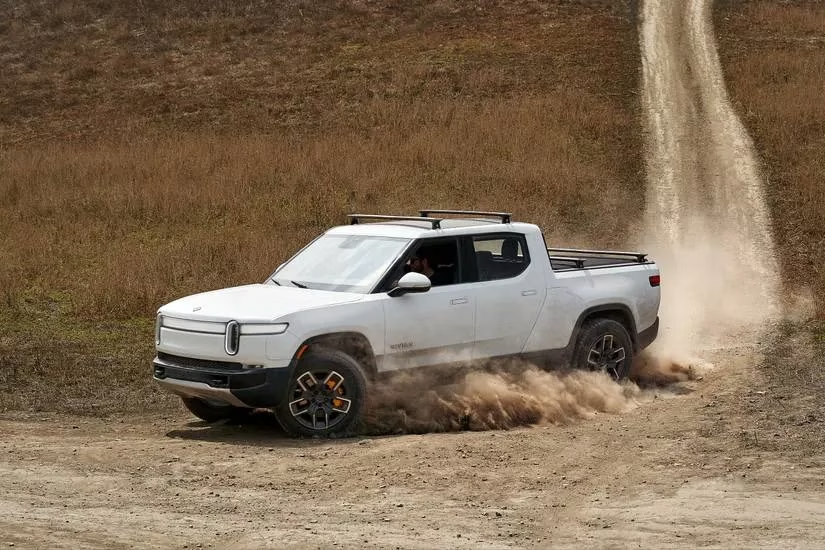
The R1T also passed a grueling endurance test: Ewan McGregor's Long Way Up motorcycle series used R1Ts as support vehicles on a 7,000-mile journey through South and North America. That's not a commercial—that's real-world proof. By 2026, the R1T has been on roads for years, and the early prototypes have matured into a proven platform. The "tank turn" might be a party trick, but the fundamentals—towing, offroading, reliability, and value—are solid.
So here's the verdict: the Rivian R1T is the Goldilocks electric truck. Not too cheap and flimsy, not too expensive and ostentatious. It's the truck for people who actually use their trucks, and for people who want to keep the world adventurous forever—without needing a supervillain's budget. In a world of electric pickups that try too hard to be something they're not, the R1T just gets on with the job. And in 2026, that's still a rare and beautiful thing. 🚙💨
Leave a Comment