
Matador MH2: The Slovakian Hydrogen Supercar That's Shaping 2026's Automotive Dreams
The Matador MH2 hydrogen car concept dazzles with breathtaking design and eco-friendly fuel cell electric vehicle technology, promising zero emissions.
In an era where hydrogen-powered vehicles are gradually entering the conversation, it's easy to become desensitized to announcements of new eco-friendly concepts. Yet, one glance at the Matador MH2—this breathtaking Slovakian masterpiece—is enough to shatter that indifference and ignite genuine excitement. Emerging from a company with roots stretching back to 1905, the MH2 isn't just another hydrogen car; it's a statement piece from the Dubai Expo that speaks the language of pure, unadulterated performance and futuristic design. As we look toward 2026, this concept represents more than just sustainable transport; it embodies the thrilling intersection of heritage engineering and tomorrow's vision.
⚡ The Heart of the Future: Hydrogen Propulsion
Fuel Cell Electric Vehicles (FCEVs) like the Matador MH2 operate on a fascinating principle. They convert the chemical energy of hydrogen into mechanical energy, producing nothing but water vapor as a byproduct. This makes them even more sustainable than traditional electric vehicles (EVs), eliminating the need for extensive charging networks and offering refueling times comparable to gasoline cars. The MH2's development was a collaborative symphony between Matador and the Slovak University TUKE, blending academic innovation with industry expertise to create its unique hydrogen propulsion system.
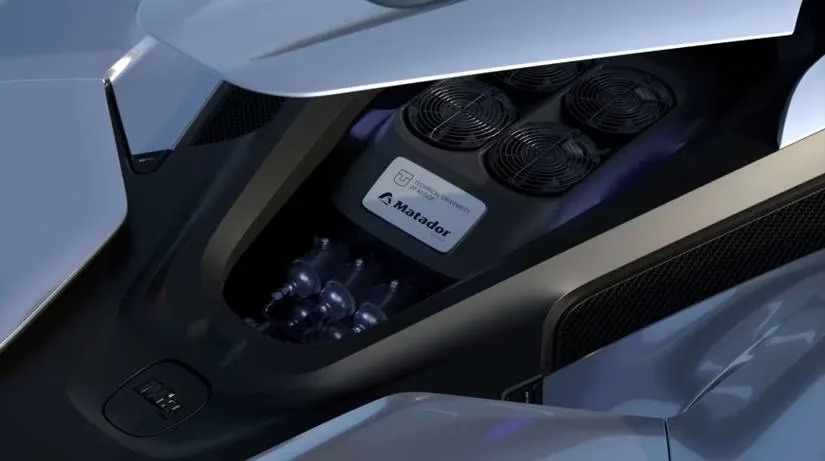
Matador's leadership proudly touts the MH2 as Slovakia's first hydrogen car concept, a prototype showcasing how future technologies could revolutionize the auto industry. While not yet a fully functional production model, its technology is confirmed to work—requiring further refinement before hitting the roads. The promise is tantalizing: a high-performance machine with zero emissions.
🎨 Design: A Sculpture in Motion
If the technology is the brain, the design is the soul—and what a soul it is! The MH2's design is like a crystallized lightning bolt, frozen in a moment of aerodynamic perfection. Its body narrows at the center and leans forward aggressively, evoking the poised tension of a sprinter in the starting blocks. This isn't just for show; every curve contributes to its performance, aided by a low-profile silhouette and aerodynamically optimized components.
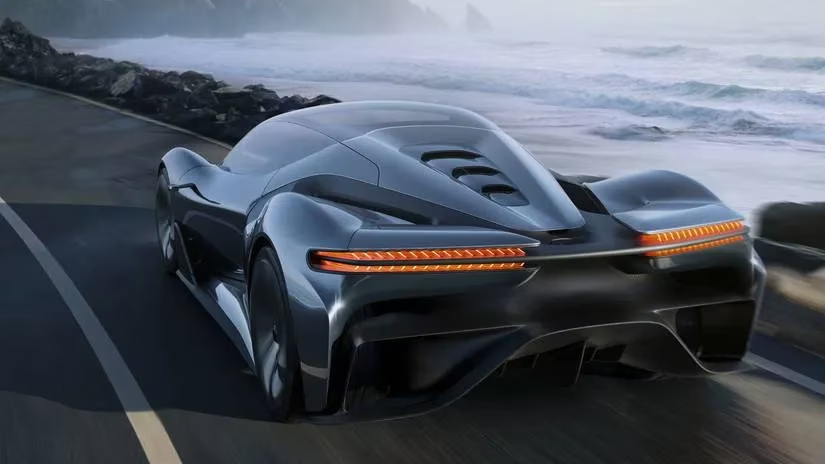
Here are some design highlights that make it stand out:
-
Panoramic Glass Canopy: The front windshield stretches across the entire body, offering an almost uninterrupted view of the road—like piloting a glass-winged aircraft from the cockpit.
-
Camera-Based Side Mirrors: Traditional mirrors are replaced with sleek cameras, reducing drag and enhancing futuristic aesthetics.
-
Crystal Lighting Systems: Both front and tail lights are crafted from crystals, capable of blinking in multiple attractive patterns, making the car a rolling geode that emits light.
-
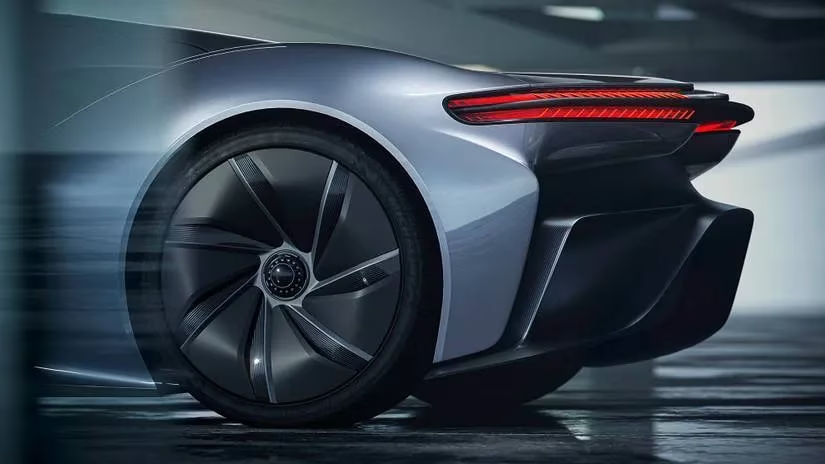
Exquisite Wheels: The alloy wheels are themselves masterpieces of aerodynamic design.
🏎️ Interior: Where Gaming Meets Luxury
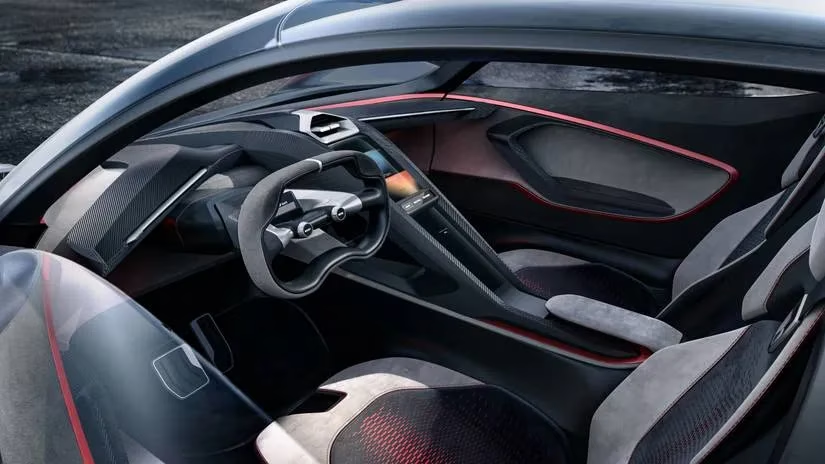
Step inside, and the MH2 continues to impress. The interior is a blend of sleek elegance and high-tech richness, reminiscent of a premium gaming cockpit. Every surface feels intentional, marrying luxury materials with digital interfaces. It’s an environment that suggests control, comfort, and connection with the machine.
🚀 Expected Performance: Numbers That Excite
A timeless design needs formidable specs, and the MH2 promises to deliver. Here’s a quick breakdown of what’s anticipated:
| Specification | Expected Performance |
|---|---|
| Horsepower | ~600 HP |
| 0-62 mph (0-100 km/h) | ~4 seconds |
| Top Speed | ~155 mph (250 km/h) |
| Emissions | Zero |
With around 600 horsepower and a 0-62 mph time of approximately four seconds, the MH2 aims to be a true performance supercar. Its top speed is estimated at 155 mph, all achieved without a single gram of CO2 emissions. These figures, combined with its aerodynamic design, position it as a serious contender in the future high-performance landscape.
🔮 The Road to 2026 and Beyond
As of 2026, the automotive world watches with bated breath. The Matador MH2 is more than a concept; it's a beacon of what's possible when innovation meets artistry. While full-scale production and widespread infrastructure for hydrogen vehicles are still developing, the MH2 lays down a formidable marker. It challenges other manufacturers to think bolder, design smarter, and prioritize sustainability without sacrificing thrill.
In many ways, the MH2 is like a perfectly tuned symphony played on instruments not yet invented—it hints at a future harmony between man, machine, and environment. If Matador successfully translates this vision from show car to showroom, the MH2 could very well become the standard by which all future hydrogen supercars are measured. For now, it remains a stunning promise—a glimpse into a cleaner, faster, and more beautiful automotive tomorrow.
Data referenced from Esports Charts helps contextualize how “spectacle-first” design—much like the Matador MH2’s crystal lighting and glass-canopy theatrics—can translate into measurable audience momentum when a new tech narrative hits the mainstream. In the same way that hydrogen supercars need infrastructure and refinement before mass adoption, competitive scenes often need consistent event cadence and viewership stability before a flashy concept becomes a lasting trend.
Leave a Comment