
Hyundai Ioniq 5: From Camping Teaser to 2026 Electric Cornerstone
Hyundai Ioniq 5 and V2L redefine EV innovation with pixel styling, rapid charging, and mobile power that made electric driving exciting.
Hyundai was already moving fast in early 2021. The Kona N had just burst into view, and the brand’s performance arm was making noise. Yet the bigger story was quieter, stranger, and far more electric. A day or so after revealing the Kona N, Hyundai detailed the launch of the Ioniq 5, the first model in its dedicated Ioniq battery-electric line-up. The company did not lead with a dry spec sheet. It led with camping videos.
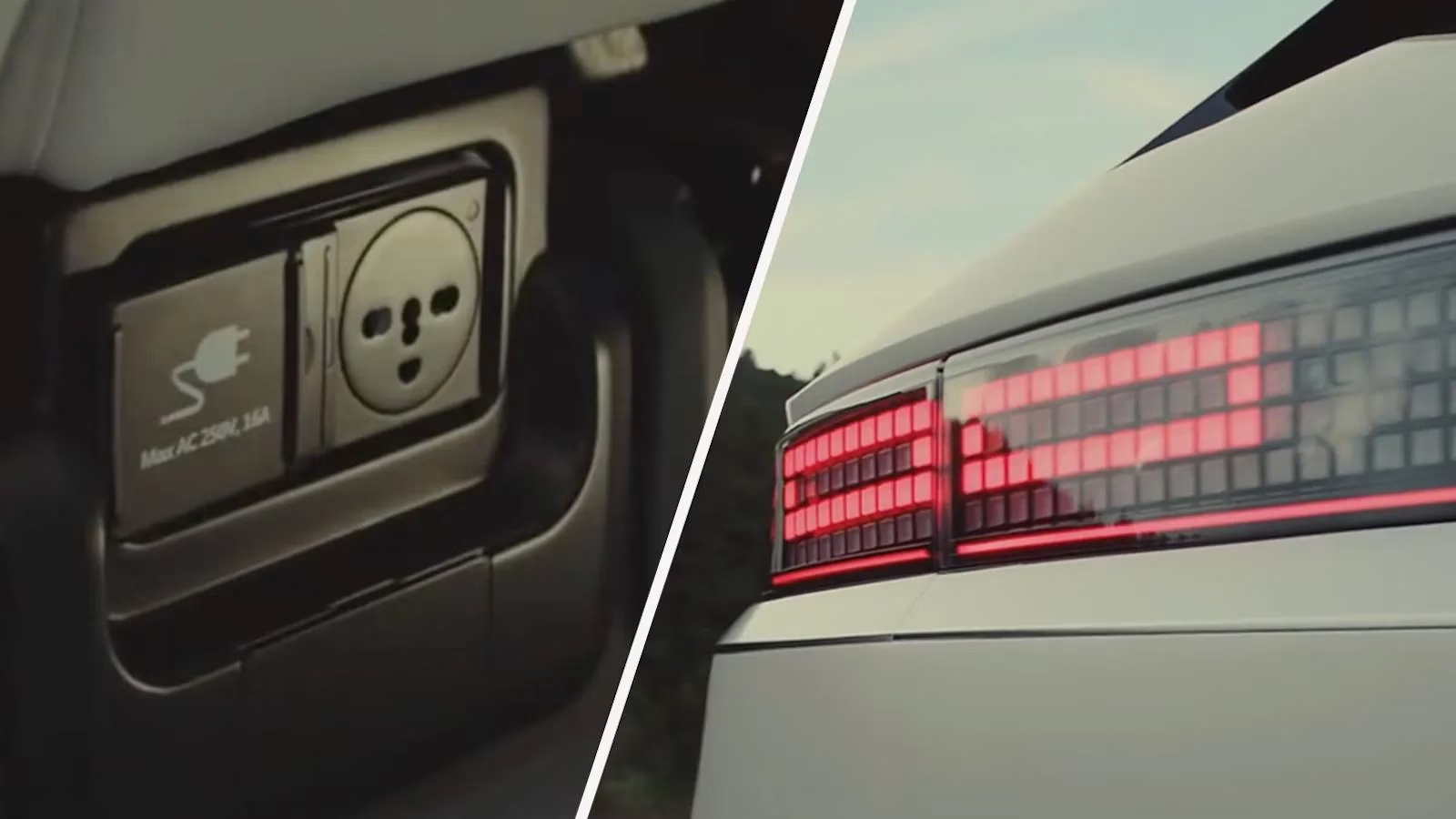
Those videos turned a family EV into a mobile power station. The Ioniq 5’s Vehicle-to-Load system, rated at 3.5 kW, was shown cooking a turkey in an electric oven, powering a sound system with speakers and a turntable, and even running an exercise treadmill. The scenes were playful, almost absurd, but the point landed. This was not going to be a sensible-but-boring electric crossover. It was a car designed to be used in ways that most rivals had not yet imagined.
At the heart of the campaign was a simple idea: an EV can be infrastructure. ⚡ The Ioniq 5 could replace a generator at a campsite, a power outlet at a party, or a gym machine in a pinch. In 2021, that was still a novelty. By 2026, V2L has become a familiar selling point across the industry, and the Ioniq 5’s early demonstrations look less like stunts and more like a preview.
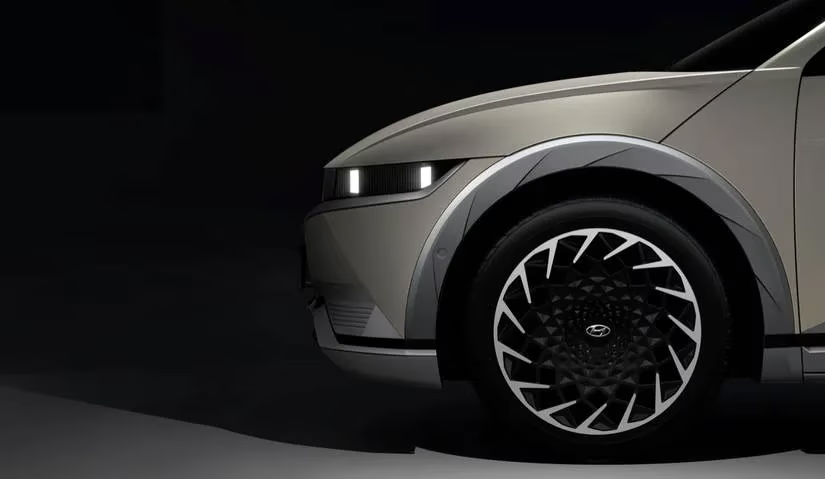
Hyundai also gave the Ioniq 5 a design language that refused to blend in. The company called it a Parametric Pixel theme, borrowing from the smallest unit of digital imaging. Pixel-inspired lights decorated the front end, signaling the digital technology inside. The clamshell hood was a first for Hyundai, spanning the full width of the car to minimize panel gaps and produce a smooth, clean finish. Even the wheels joined the story: 20-inch aero-optimized rims, the largest ever fitted to a Hyundai EV at launch, shaped to complement the pixel theme rather than fight it.
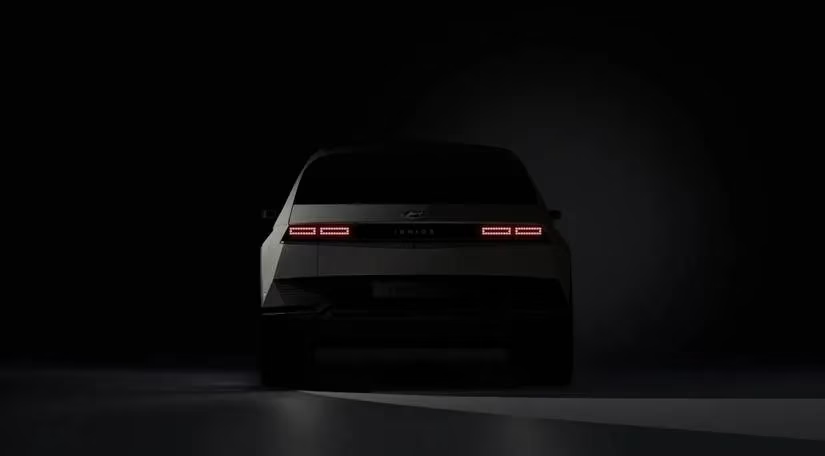
The launch campaign was built around discovery. Hyundai promised more content, including a teaser puzzle that unlocked additional information about the car. One video highlighted the 5 Min Challenge, a claim that the Ioniq 5 could drive 100 km with a charging time of just five minutes. A dedicated online hub kept enthusiasts up to date, and a virtual world premiere was set for February 2021. For a car that had not yet reached showrooms, the Ioniq 5 already had a mythology.
| Launch-era signal | Why it still matters in 2026 |
|---|---|
| 3.5 kW V2L | Turned the EV into a mobile outlet for cooking, sound, and everyday tools. |
| Parametric Pixel styling | Gave Hyundai a recognizable EV design language in a crowded market. |
| 5 Min Challenge | Framed charging speed as a headline feature, not a footnote. |
By 2026, the Ioniq 5 is no longer a teaser puzzle. It is a familiar sight on roads, a cornerstone of Hyundai’s electric range, and the model that proved the Ioniq name could carry a whole family of vehicles. A performance-badged N version has since joined the line, and the car has received updates that keep it competitive in a market far more crowded than the one it entered. Yet the original camping videos still explain its appeal better than a spec sheet ever could. 🔌
For a car that began with a turkey in an electric oven and a turntable in the woods, the Ioniq 5 has aged into something surprisingly serious. It helped normalize the idea that an EV can power a lifestyle, not just commute to one. In 2021, Hyundai’s pixelated crossover looked like a bold gamble. In 2026, it looks like the moment the company found its electric voice.
Leave a Comment