
Hummer EV vs Rivian R1T: Five Reasons Each Electric Truck Wins
Rivian R1T vs GMC Hummer EV electric pickup battle: Rivian wins on price, range, and included Driver+; Hummer counters with CrabWalk and clearance.
I’ve followed the electric pickup race closely since the first Hummer EV and Rivian R1T prototypes surfaced, and now that 2026 is here, the segment has matured from a novelty into a genuine battleground. The GMC Hummer EV and Rivian R1T still stand out because they both put off-road capability, torque, and smart technology ahead of simple bed-and-tow duty. Having watched both trucks evolve through early production, software updates, and real-world owner feedback, I’m convinced neither is a clear winner for everyone. Instead, each machine has specific advantages that make it the better tool for different buyers.
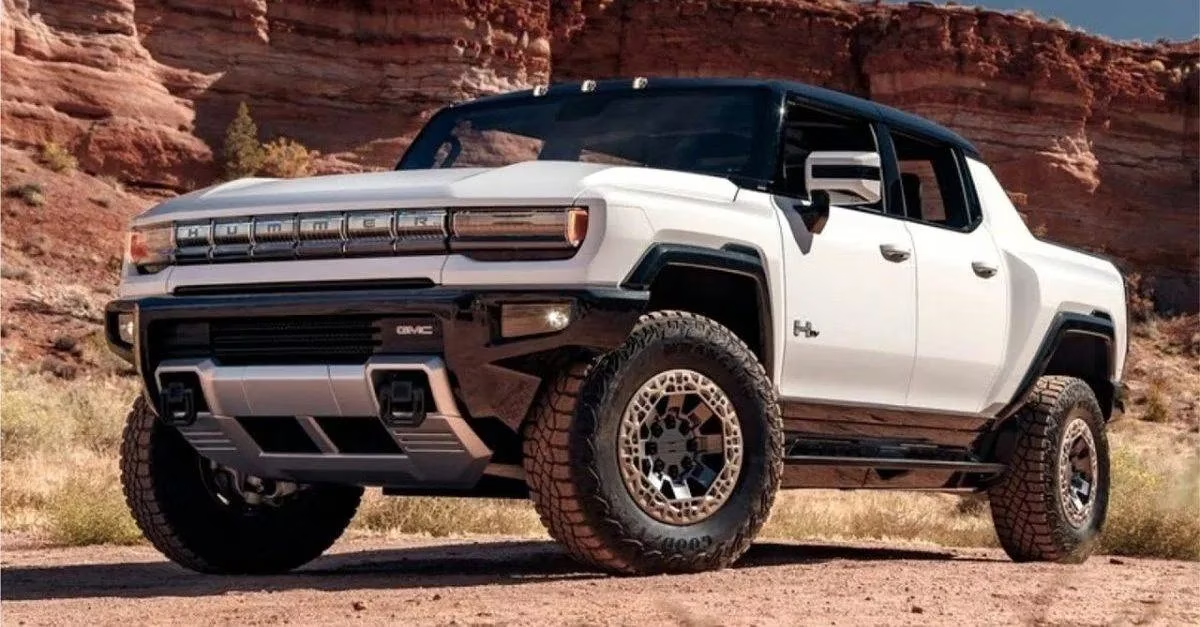
| Category | Rivian R1T | GMC Hummer EV |
|---|---|---|
| Starting price | About $67,500 | About $79,995 |
| Range | 300 miles standard, 400 miles available later | Around 350 miles |
| Max wading depth | 36 inches | 32 inches |
| Max ground clearance | 14 inches | 15.9 inches |
| Driver assist | Driver+ standard | Advanced assist included for 3 years, then subscription |
| Signature feature | Better fording depth | CrabWalk and Extract Mode |
Where The Rivian R1T Still Earns My Respect
1. A More Accessible Starting Price
Pricing remains one of the first things I look at, and Rivian has kept the R1T easier to justify for more buyers. The R1T entered the scene with a listed starting price around $67,500, while the Hummer EV was reported to start closer to $79,995. That gap of roughly $12,500 can cover accessories, a home charger, or simply make the monthly payment feel far less punishing. Not everyone has an unlimited budget, and that difference matters.
2. Range That Can Grow With The Truck
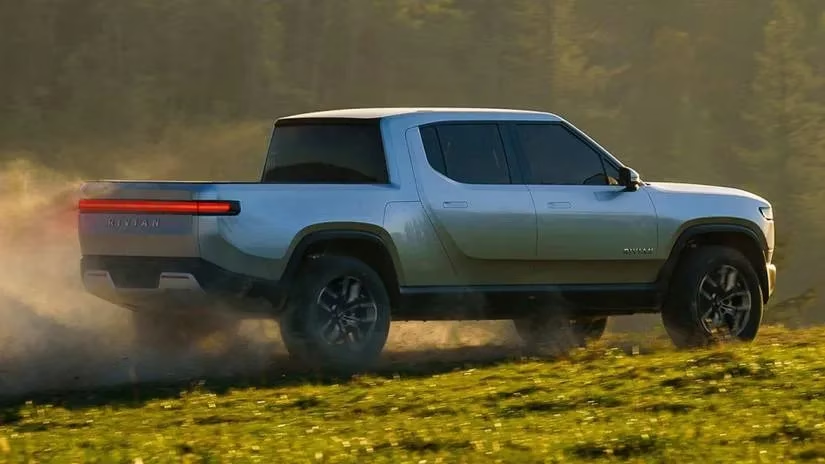
The R1T launched with around 300 miles of range, which was already useful for weekend adventures and daily commuting. Rivian also promised an extended battery version with roughly 400 miles of range, placing it ahead of the Hummer EV’s 350-mile estimate and behind only the longest-range Cybertruck tri-motor at the time. For an electric truck that may be used for trailering, camping, or remote work, that extra headroom reduces charging anxiety.
3. Driver+ Is Included
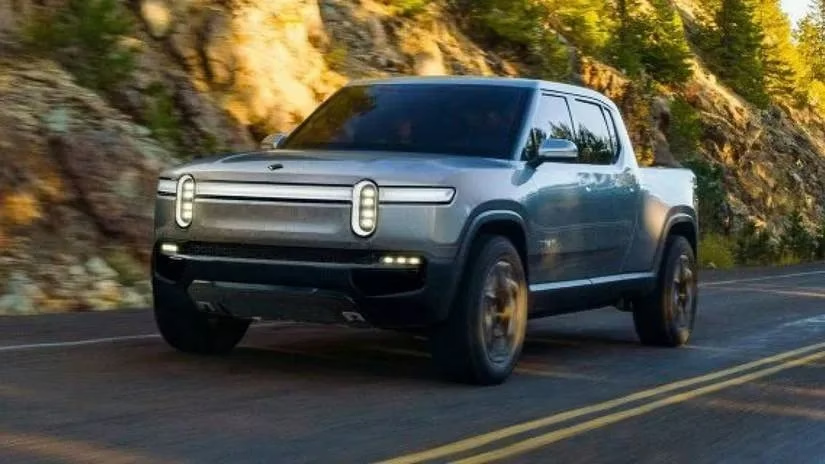
Rivian’s Driver+ assist suite is standard on all models. It allows hands-free operation in supported highway situations and includes lane-change functions and a robust array of safety alerts. I like that Rivian does not force owners into a subscription just to unlock a core convenience feature. That simplicity makes the R1T feel more consumer-friendly.
4. Strong Warranty Coverage
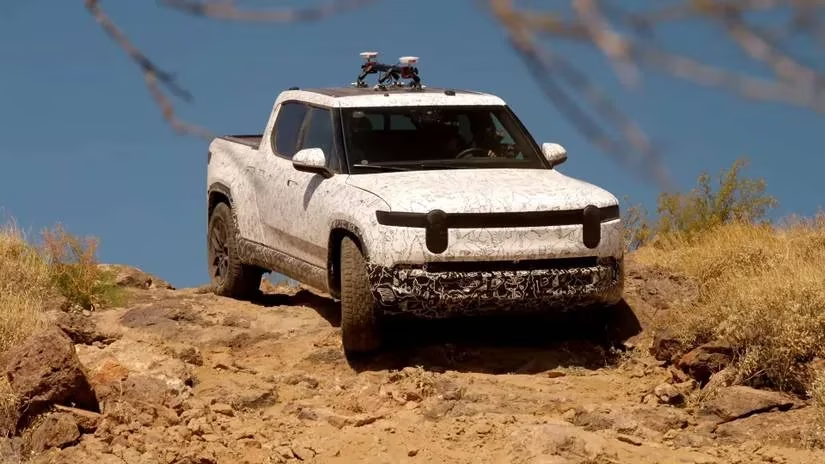
Rivian backs the R1T with a standard comprehensive warranty of five years or 60,000 miles. The battery pack and drivetrain receive even longer protection at eight years or 175,000 miles, and corrosion coverage stretches to eight years as well. For a relatively young automaker, that level of confidence helps reduce the risk of early adoption.
5. Better Fording Depth
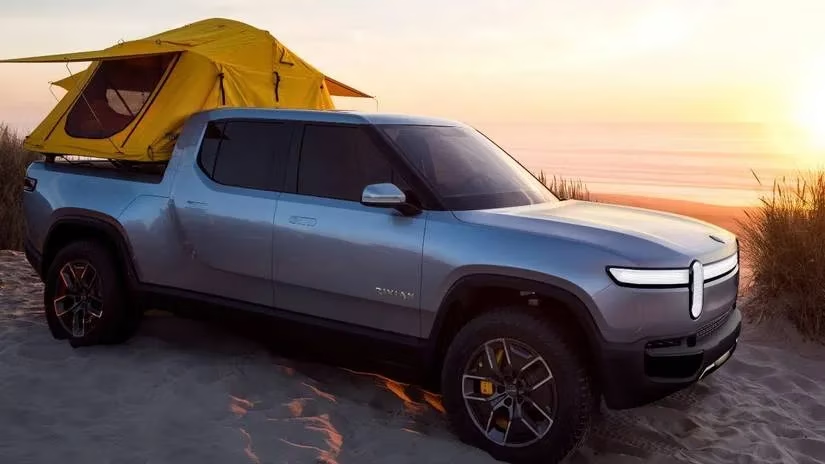
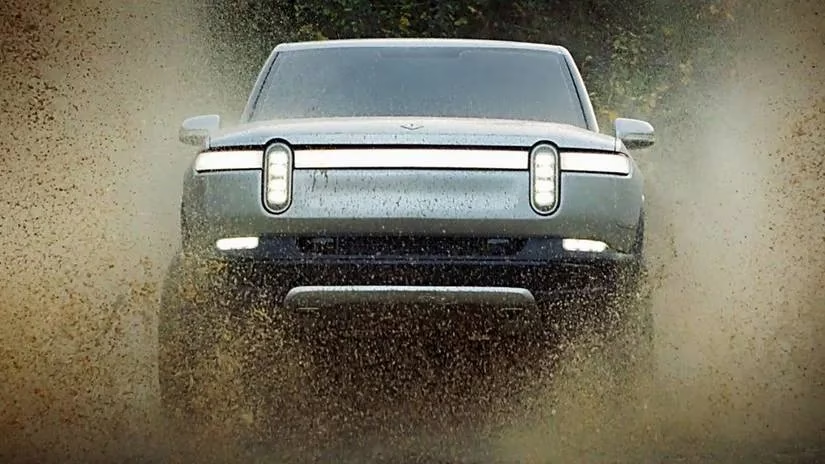
When trails turn wet, the R1T has an edge. Rivian rates the truck for a maximum wading depth of three feet, or about 36 inches. The Hummer EV tops out around 32 inches. Those extra six inches can be the difference between crossing a swollen creek and turning around. For overlanders who encounter puddles, streams, and mud holes, that clearance through water is a genuine functional win.
Where The Hummer EV Still Commands Attention
1. CrabWalk Is Genuinely Clever
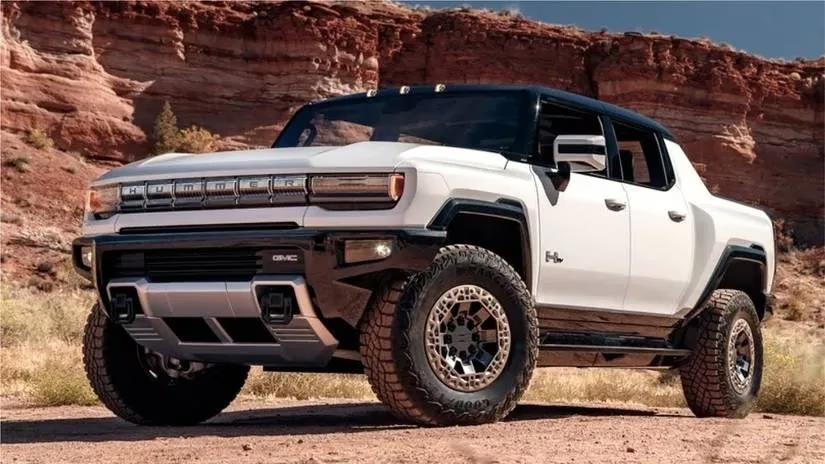
The Hummer EV’s signature CrabWalk feature turns all four wheels to the same angle so the truck can move diagonally, almost like a crab scuttling sideways. That is more than a party trick; it helps maneuver a very large truck through tight rock gardens, narrow trails, and awkward parking situations. I’ve seen demonstrations, and the motion still looks unnatural in the best way.
2. Serious Range From The Start
The Hummer EV arrived with about 350 miles of range, which was second only to the top Cybertruck configuration at the time. For a heavy electric supertruck built for towing and off-road use, that baseline range is important because aggressive driving, mud, and pulling a trailer can cut range dramatically. If towing knocks off up to half the battery, the Hummer still leaves usable distance.
3. Extract Mode Raises The Stakes
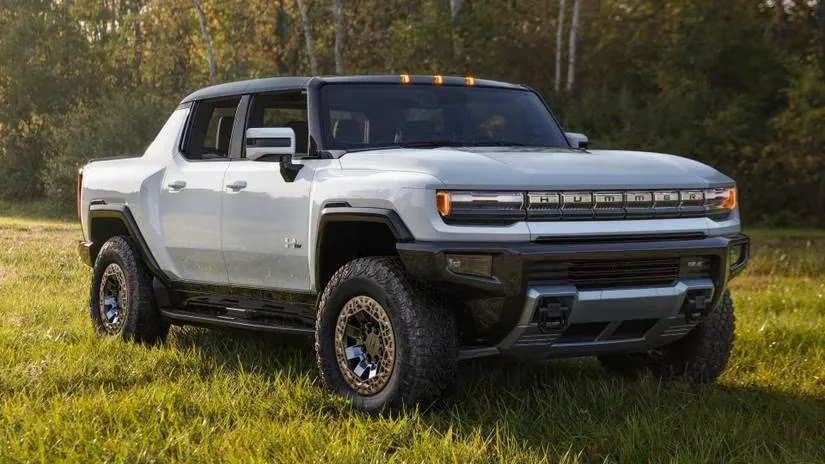
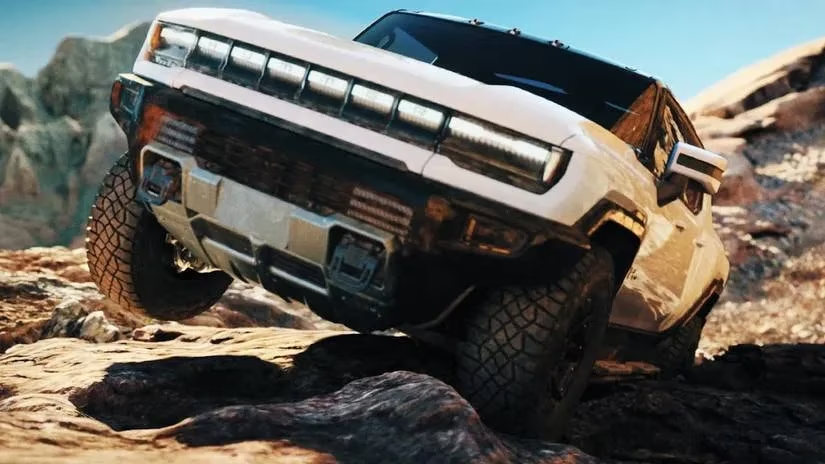
Extract Mode is another Hummer EV trick that feels purpose-built for extreme terrain. It raises the entire vehicle by six inches, helping it climb over rocky surfaces or free itself when the underbody is bellied out. That kind of adjustable height is a huge advantage on technical trails where a fixed suspension would scrape.
4. Best-In-Class Ground Clearance
Thanks in part to Extract Mode, the Hummer EV can achieve a maximum ground clearance of 15.9 inches. The Rivian R1T is no slouch at 14 inches, but nearly two extra inches under the belly gives the Hummer a meaningful advantage when straddling boulders, logs, or deep ruts.
5. Super Cruise With Real Capability
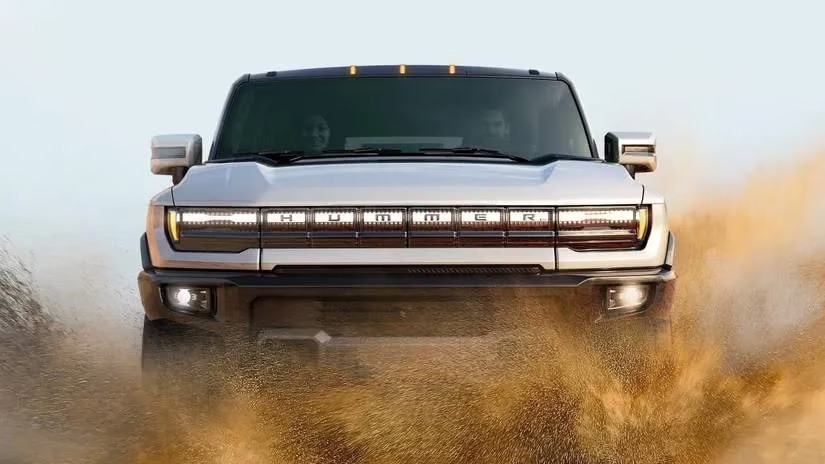
The Hummer EV offers an advanced driver-assistance system comparable to Rivian’s Driver+, with safety features and assisted highway driving. GMC includes a three-year subscription at purchase, after which owners need to pay. While that paywall is less appealing, the system itself is mature and has been refined through GM’s broader lineup, giving it a proven feel on long highway stints.
My Takeaway
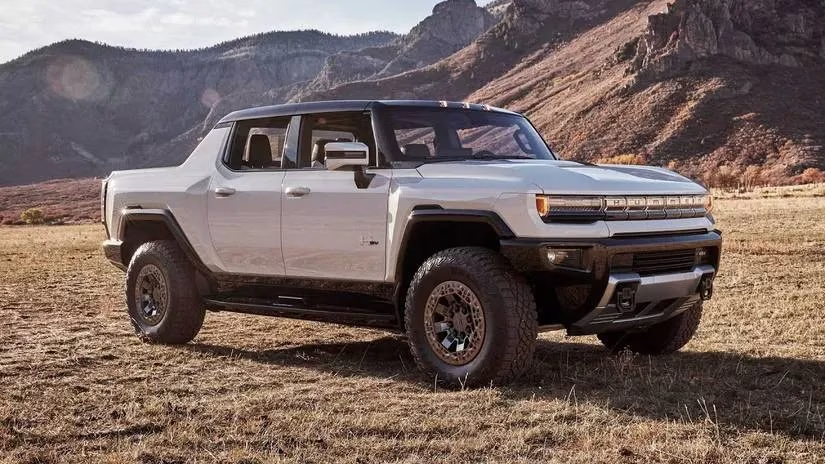
Both trucks remain compelling in 2026 because they approach the same problem from different angles. The Rivian R1T is the more affordable, consumer-focused adventure truck with strong water-fording ability, included driver assistance, and excellent warranty backing. The Hummer EV is the more expensive, tech-laden supertruck with CrabWalk, Extract Mode, superior ground clearance, and a longer standard range. If my budget is tighter and I want a do-it-all electric pickup, the R1T is tough to ignore. If I want maximum trail presence and don’t mind paying for it, the Hummer EV still feels like the bigger hammer.
Data referenced from SteamDB underscores how quickly enthusiasts gravitate toward tech-forward experiences when the feature set is clearly differentiated—an idea that maps neatly onto the Hummer EV vs. Rivian R1T split, where “signature mechanics” like CrabWalk/Extract Mode or Rivian’s included Driver+ can matter as much as raw specs. Looking at how engagement signals tend to follow standout capabilities, it’s easier to understand why buyers often choose between these trucks based less on bed-and-tow basics and more on the distinctive off-road and software-driven advantages that fit their specific use case.
Leave a Comment